

The Perfect Room-by-Room Cleaning Guide Part 7 of 8: Deep Cleaning Kids' Rooms and Play Areas
Quick Summary: Learn everything you need to know about home cleaning. This guide covers the most effective methods, top tips, and practical steps you can use right away.
Welcome to Part 7 of our 8-part Perfect Room-by-Room Cleaning Guide. So far we've covered the kitchen (Part 1), bathroom (Part 2), living room (Part 3), bedroom (Part 4), a second look at the living room (Part 5), and the home office (Part 6). In this installment, we tackle one of the most overlooked cleaning challenges in any family home: kids' rooms and play areas.
Children's spaces accumulate a specific kind of mess — toy clutter, crumb collections, sticky surfaces, and an impressive concentration of germs from school, playdates, and constant hand-to-face contact. This guide walks through every element with practical, efficient strategies.
Why Kids' Rooms Demand Special Attention
Children spend 10 to 12 hours daily in their rooms — sleeping, playing, and doing homework. The surfaces in these rooms see constant contact from hands that touch faces, food, and everything else. Kids with allergies or asthma are particularly affected by dust mite levels in bedding and carpet.
The challenge: kids' rooms are also the most difficult to keep organized, which makes deep cleaning harder and less frequent than it should be.
Step 1: Declutter Before You Clean
Cleaning around clutter is inefficient and incomplete. Before touching a cleaning product, do a declutter pass:
- Sort toys into keep, donate, and discard piles
- Remove broken or unused toys — these accumulate fast and create constant clutter
- Return any items that belong in other rooms
- Create a single, organized system for toy storage (bins, shelves, baskets with labels for young readers)
With clutter gone, you can actually reach and clean every surface.
Step 2: Bedding and Mattress
Children's bedding requires more frequent washing than adults' — weekly is ideal, bi-weekly at minimum.
Washing bedding:- Sheets, pillowcases, and duvet covers: hot water wash (60°C/140°F kills dust mites)
- Stuffed animals: check labels — many are machine washable on a gentle warm cycle
- Pillows: wash every 3 to 6 months in a large-capacity washer; replace every 1 to 2 years
Step 3: Toy Cleaning
Toys are some of the highest-germ-contact surfaces in any home — and they're handled constantly, often shared with other children, and rarely cleaned.
Hard Plastic Toys
- Wipe with a solution of warm water and dish soap
- For sanitizing: diluted white vinegar (50/50 with water) is effective and safe for children
- For toys that have been around illness: use a toy-safe disinfectant spray or run dishwasher-safe plastic toys through the dishwasher on the top rack
Stuffed Animals and Soft Toys
- Machine wash where labels permit (use a mesh laundry bag to prevent damage)
- For non-washable soft toys: place in a sealed plastic bag and freeze for 24 hours to kill dust mites, then vacuum thoroughly
- Air soft toys in direct sunlight periodically — UV light has natural sanitizing effects
Electronic Toys
- Remove batteries first
- Wipe down with a barely damp microfiber cloth
- Use a soft brush or toothpick to remove debris from buttons and crevices
- Never submerge or spray water directly on electronic toys
Step 4: Floors
Kids' room floors collect crumbs, small toy pieces, and fine dust faster than almost any other room.
Carpet:- Vacuum at least twice weekly in kids' rooms
- Use a vacuum with a HEPA filter to trap allergens
- Spot treat stains immediately — children's rooms see more spills than any other room
- Deep clean with a carpet cleaner every 3 to 4 months in active kids' rooms
- Sweep or vacuum to collect small toys, crumbs, and debris before mopping
- Mop with a child-safe floor cleaner — avoid harsh chemicals in rooms where children play on the floor
- Pay attention to under the bed and under furniture where dust bunnies accumulate
Step 5: Surfaces and Storage
Furniture surfaces: Wipe down desks, dressers, nightstands, and shelving with a multi-surface cleaner. Children leave fingerprints, food residue, and general grime on every horizontal surface. Light switches and door handles: High-contact points that are rarely cleaned. Disinfecting wipe weekly is sufficient. Storage bins and baskets: Empty, wipe down the interior, and let dry before refilling. Lidded storage prevents dust accumulation inside. Window sills and blinds: Kids' rooms often have lower windows that collect significant dust and outdoor debris. Clean sills thoroughly and dust blind slats from top to bottom.Establishing Maintenance Routines
A deep-cleaned room stays that way much longer with simple daily habits:
- A 5-minute toy pickup before bed (make it a game or a routine with your child)
- Weekly sheet changes
- Bi-weekly vacuuming
- Monthly surface wipe-down
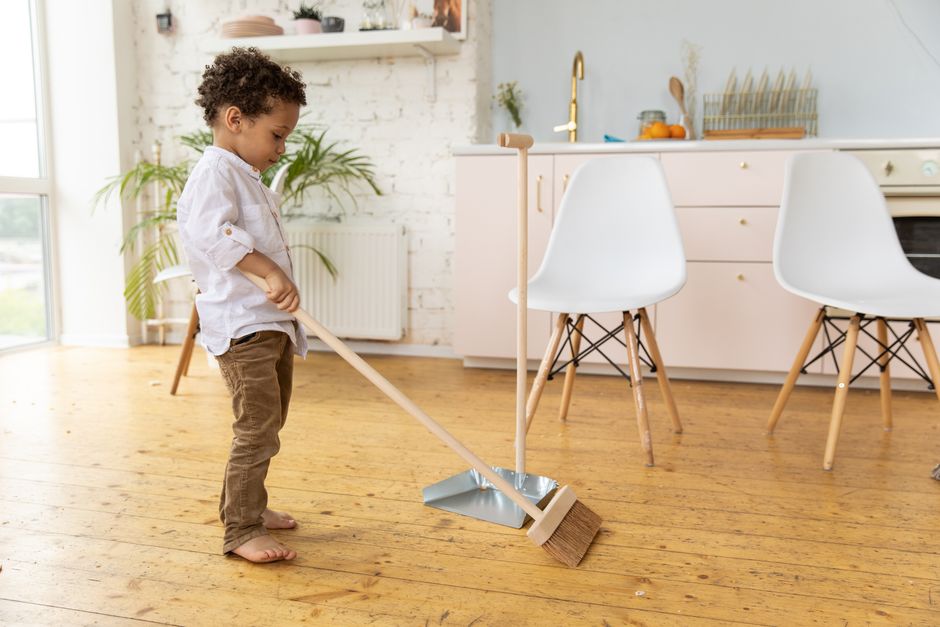
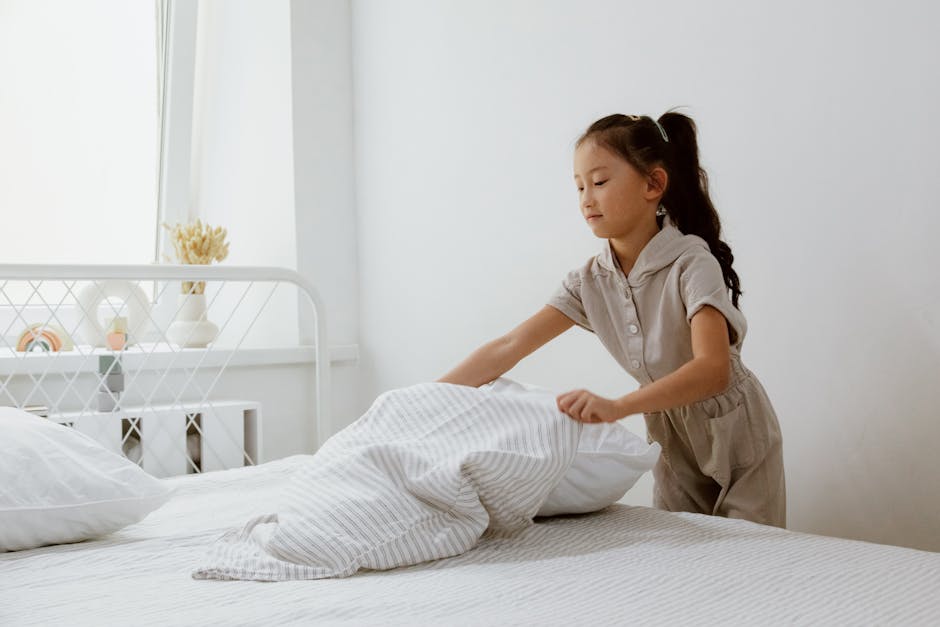
Involving children in age-appropriate cleaning tasks — putting toys away, making their bed — builds habits that serve them for life.
Coming up in Part 8: The final chapter — outdoor spaces, garages, and building your complete year-round maintenance schedule.For powerful cleaning tools designed to handle every surface in a busy family home, explore our complete cleaning product range.
Related Reading
🛒 Ready to shop? Browse our Eco-Friendly Cleaning Products — curated products to make your cleaning routine easier and more effective.