

The Complete Floor Cleaning Guide: Hardwood, Tile, and Carpet Done Right
Quick Summary: Learn everything you need to know about home cleaning. This guide covers the most effective methods, top tips, and practical steps you can use right away.
Your floors take more abuse than any other surface in your home. They endure foot traffic, dropped food, pet paws, furniture dragging, and spills around the clock. Yet most people use one mop and one cleaner for everything — and wonder why their floors never look quite right.
The reality is that hardwood, tile, and carpet each require different tools, different products, and different techniques. Using the wrong method can damage your floor over time. This guide covers each surface in detail so you can clean smarter and protect your investment.
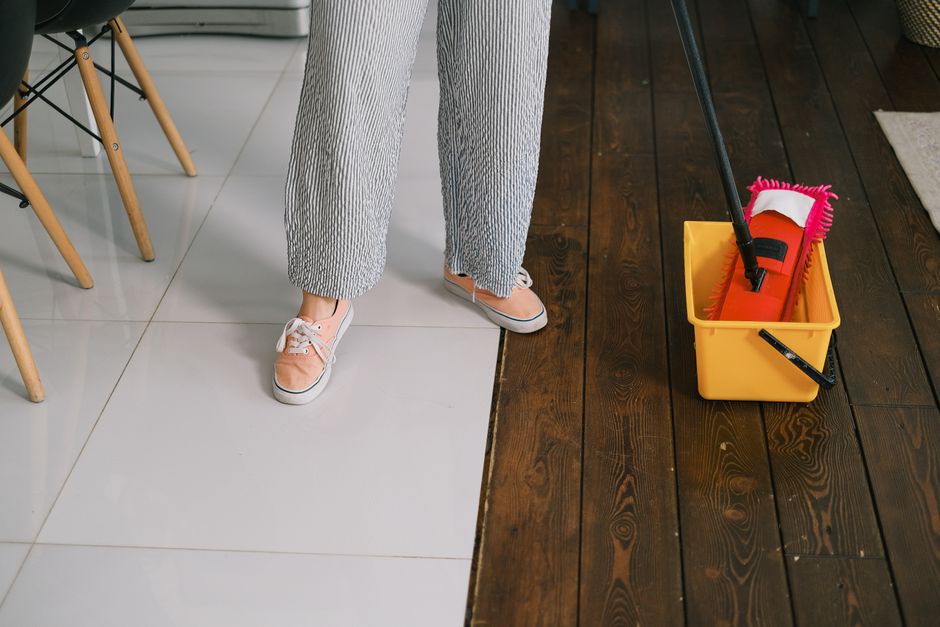
Hardwood Floors: The Rules That Protect Your Investment
Hardwood is one of the most beautiful — and most damage-prone — flooring surfaces in a home. The enemy is moisture. Wood absorbs water, swells, warps, and eventually buckles when exposed to too much of it. The second enemy is abrasion — tiny particles of dirt and grit act like sandpaper with each footstep.
Daily and Weekly Maintenance
Dry cleaning first, always. Before any wet cleaning, sweep or vacuum to remove grit that would otherwise scratch the surface. Use a soft-bristled attachment on your vacuum — the beater bar setting can scratch hardwood. Vacuuming tips:- Use a hardwood-specific attachment or set your vacuum to the hard floor setting
- Vacuum in the direction of the wood grain
- Pay attention to the edges and corners where dust accumulates
Mopping Hardwood Correctly
The rule is: barely damp, never wet.
Use a microfiber flat mop that you wring out almost completely. The floor should dry within 1 to 2 minutes. If you see water pooling or sitting, you're using too much.
Best cleaners for hardwood:- pH-neutral hardwood floor cleaners (avoid anything acidic or alkaline)
- Avoid vinegar on hardwood — it's acidic and damages the finish over time despite popular advice
- Never use steam mops on hardwood — heat and steam force moisture deep into the wood
Dealing with Scratches and Scuffs
- Light surface scuffs: A bit of baking soda on a damp cloth, rubbed gently in the direction of the grain, often removes light marks.
- Deeper scratches: Wood touch-up markers or wax sticks in a matching color fill and disguise scratches.
- Large damaged areas: May require professional refinishing.
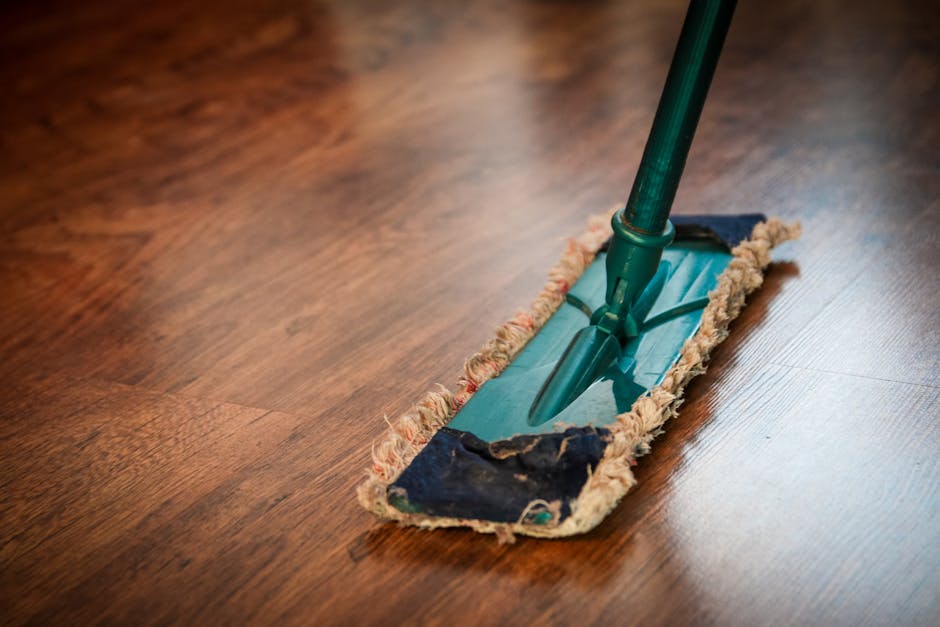
Tile Floors: Beating Grout Before It Beats You
Tile itself is virtually indestructible and easy to clean. The challenge is grout — the porous material between tiles that absorbs spills, soap residue, and mold.
Regular Tile Cleaning
Sweep or vacuum first. Grit that gets ground into tile under a mop just redistributes across the surface. Always dry clean first. Mop with the right product:- Use a pH-neutral tile cleaner diluted in warm water
- Avoid oil-based cleaners on tile — they leave a residue that builds up over time
- For white or light-colored tile, a diluted oxygen bleach solution (not chlorine bleach) brightens without discoloring grout
Restoring Grout
Dirty grout visually dominates a room even when the tile itself is clean.
For routine grout cleaning:- Apply a commercial grout cleaner with an oxygen bleach base
- Let dwell for 15 minutes
- Scrub and rinse
Vinyl and LVT Floors: The Low-Maintenance Champion
Luxury vinyl tile and plank floors are increasingly popular because they're waterproof, durable, and easy to clean.
What works well:- Sweep or vacuum regularly (the beater bar is usually fine on LVT)
- Damp mop with a diluted multi-surface or vinyl-specific floor cleaner
- For stains, a small amount of rubbing alcohol on a cloth removes most marks
- Steam mops — heat can lift the adhesive layer over time
- Wax or polish-based cleaners — they create buildup that makes the floor look dull
- Abrasive scrubbers that can scratch the wear layer
Carpet: Getting Beneath the Surface
Carpet traps allergens, pet dander, dust mites, and odors far more effectively than hard floors — which makes regular deep cleaning important for indoor air quality.
Vacuuming: The Foundation
Vacuum at least twice weekly in high-traffic areas. Use a vacuum with a HEPA filter to trap fine particles rather than recirculating them.
Vacuuming technique:- Slow, deliberate passes in overlapping stripes
- Go over high-traffic areas twice in opposing directions
- Use the crevice tool along baseboards and under furniture edges
Spot Treatment
Act immediately on spills — dried stains are dramatically harder to remove.
Universal spot treatment process:Deep Cleaning
Carpet should be professionally cleaned or shampooed at home every 12 to 18 months. Steam cleaning (hot water extraction) is the most effective method for removing embedded dirt, allergens, and odors.
The right cleaning approach for each surface adds years to the life of your floors and keeps your home looking genuinely clean — not just swept. Browse our complete range of floor cleaning tools and products designed for every surface type.
Related Reading
🛒 Ready to shop? Browse our Mops & Buckets — curated products to make your cleaning routine easier and more effective.