

The Best Mold and Stain Removers for Every Surface: A Complete Buying Guide
Quick Summary: Learn everything you need to know about home cleaning. This guide covers the most effective methods, top tips, and practical steps you can use right away.
---
Mold, mildew, and stubborn stains have one thing in common: they're frustrating to deal with and easy to make worse if you use the wrong product. Spray the wrong cleaner on the wrong surface and you can bleach fabric, etch stone, or just waste your money on something that does nothing.
This guide cuts through the confusion. We'll match the right type of remover to every surface in your home — and explain exactly what to look for when you're buying.

---
Understanding Mold vs. Mildew vs. Stains
Before buying anything, it helps to know what you're dealing with:
- Mold: Usually fuzzy, can be black, green, or white. Grows in damp, poorly ventilated areas. Requires a disinfectant cleaner to kill — not just a surface cleaner.
- Mildew: Flat, powdery, usually gray or white. More surface-level than mold and generally easier to treat.
- Stains: Mineral deposits, soap scum, rust, food coloring, or dye. Require the right chemical to dissolve that specific type of residue.
Treating these differently matters. A stain remover won't kill mold spores. A disinfectant won't dissolve mineral deposits.
---
For Bathroom Tile and Grout: Oxygen Bleach Cleaners
The white discoloration and black grout lines in your bathroom aren't just dirty — they're often colonies of mildew or mold. Regular bathroom spray isn't strong enough.
What to look for:
- Oxygen bleach (sodium percarbonate): Safer than chlorine bleach on colored grout and most surfaces. Effective at killing mold and lightening stains without harsh fumes.
- Gel formula: Clings to vertical surfaces (shower walls, grout lines) instead of dripping off before it can work
- Chlorine bleach products: Most effective on white grout and ceramic tile, but will discolor colored grout and should never be mixed with ammonia-based cleaners
How to use for best results:
- Apply generously to dry grout lines
- Let it sit for at least 10 minutes — the biggest mistake people make is wiping too soon
- Scrub with a stiff-bristle grout brush (not a sponge — you need the mechanical action)
- Rinse thoroughly
For deep-set black mold in grout that hasn't been cleaned in months, you may need 2–3 applications over consecutive days.
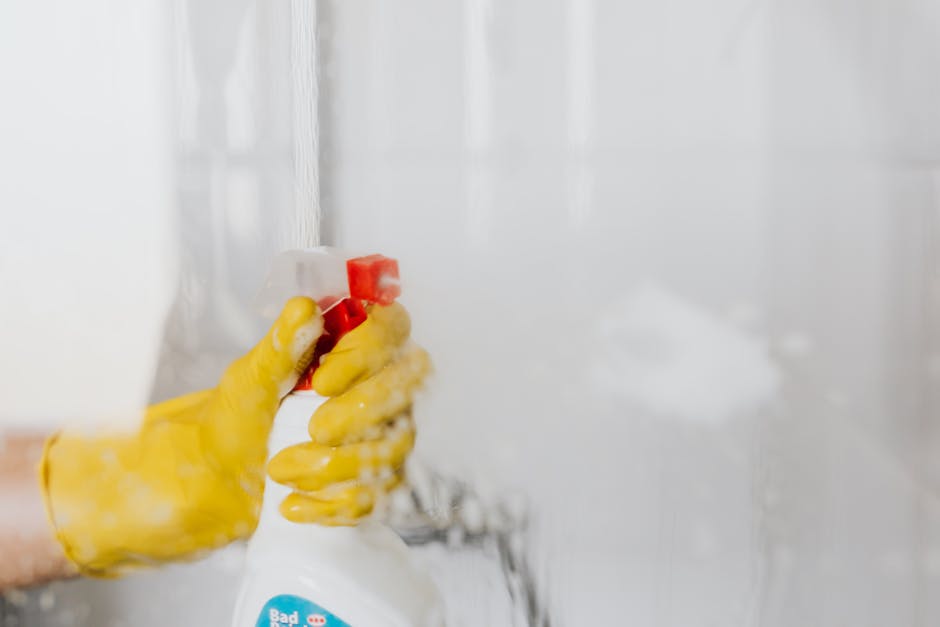
---
For Fabric and Upholstery: Enzyme-Based Cleaners
Protein-based stains (blood, food, pet waste, sweat) need a completely different approach than inorganic stains. Enzyme cleaners contain biological catalysts that literally break down organic matter at a molecular level.
Why enzyme cleaners are different:
Standard detergents and even bleach don't break down proteins effectively — they may appear to remove the stain but leave residue that causes odors and can reappear when wet. Enzyme cleaners actually digest the proteins.
What to look for:
- "Enzymatic formula" or "contains protease/amylase" on the label
- Color-safe formulation if using on colored fabrics
- Concentrated formula (more economical, adjustable strength)
How to use:
- Apply to the stain, don't rub — blot
- Allow 10–15 minutes of dwell time (longer for set stains)
- Blot with a clean cloth, working from outside the stain inward
- For set stains: soak with a wet cloth first, then apply enzyme cleaner
Best for: Carpet, upholstered furniture, mattresses, pet bedding, laundry pre-treatment
---
For Stone Surfaces (Marble, Granite, Travertine): pH-Neutral Cleaners Only
This is the section most people need to read most urgently, because the damage here is irreversible.
Never use on stone:
- Vinegar (acidic — etches marble and limestone immediately)
- Bleach (can discolor and weaken the stone surface)
- All-purpose sprays (most are too alkaline or acidic)
- Baking soda paste (abrasive, can scratch polished surfaces)
What to look for:
- Specifically labeled "safe for natural stone" or "pH neutral"
- Stone-specific mold and mildew removers exist and are worth the investment
For mold on marble or granite (particularly around backsplash areas), apply a pH-neutral stone cleaner with a soft cloth, let it work, and rinse with water. For persistent mold in grout around stone tile, use an oxygen bleach product only on the grout itself, not the stone surface.
---
For Rust Stains: Oxalic Acid Cleaners
Rust stains appear around faucets, in porcelain sinks and tubs, and anywhere water with high iron content sits. They look orange-brown and are almost impossible to scrub away because scrubbing doesn't address the chemistry.
What you need: A cleaner containing oxalic acid or hydrochloric acid (also called muriatic acid). These chemically dissolve iron oxide — the compound that makes rust stains. What to look for:
- Products labeled specifically for rust removal
- Rust stain removers for the specific surface (toilet bowl formulas differ from tub/tile formulas)
Safety: Acid-based cleaners require ventilation and gloves. Follow label instructions carefully and never mix with bleach or ammonia-based cleaners.
---
For Laundry: Oxygen Brighteners vs. Bleach
Oxygen bleach (OxiClean-type products):
- Color-safe
- Effective on food stains, grass, mud, sweat yellowing
- Works better in warm or hot water
- Can be used as a soak for 1–6 hours for tough stains
Chlorine bleach:
- Only for white fabrics
- Kills bacteria and whitens effectively
- Weakens fabric over time with repeated use
- Check your label — many fabrics say "no bleach" for a reason
Pre-treatment sticks and sprays:
For targeted stain treatment before washing, a pre-treatment product with surfactants and enzymes works best. Apply to the stain before washing, wait at least 5 minutes, then wash as normal.
---
The Products Worth Having in Every Home
Here's the short version — a five-product kit that covers 95% of cleaning needs:
| Product Type | Best For |
|---|---|
| Oxygen bleach cleaner (powder) | Grout, tile, laundry soaking |
| Enzyme cleaner spray | Fabric stains, pet messes, carpet |
| pH-neutral stone cleaner | Marble, granite, travertine |
| Rust stain remover | Sink, tub, toilet rust rings |
| Heavy-duty gel mold spray | Shower walls, caulk, bathroom ceilings |
---
A Final Word on Application
The most common reason cleaning products fail isn't the product — it's the method. Dwell time matters. Almost every cleaner works better if you:
- Apply it generously
- Wait at least 5–10 minutes (longer for tougher stains)
- Agitate with an appropriate brush
- Rinse thoroughly
Spray-and-wipe is fine for light maintenance. For actual stain and mold removal, you need to let the chemistry work.
Ready to build your cleaning kit? Browse our selection of surface-specific cleaners and find the right solution for every room in your home.
Related Reading
🛒 Ready to shop? Browse our Mold & Mildew Removers — curated products to make your cleaning routine easier and more effective.