

Eco Cleaning Transition Part 2: Strategic Product Swaps That Actually Work
In Part 1 of this series, we covered the mindset shift required for transitioning to eco-cleaning and why gradual change beats dramatic overhauls. This installment focuses on the practical decisions: which products in your current cleaning routine are highest priority for swapping, and what to swap them for.
Not every conventional cleaning product needs replacement. Some work well, have minimal environmental impact, and offer good value. Others represent the easy wins — products where eco alternatives perform just as well at similar cost. And a few are the difficult cases where genuine eco alternatives don't quite match conventional performance. This guide helps you prioritize and make good choices.

Series Recap
This series covers the step-by-step transition to environmentally conscious cleaning:
- Part 1: Introduction — Why transition, realistic expectations, mindset
- Part 2: Strategic product swaps (this post)
- Part 3 (coming): DIY recipes that replace products entirely
- Part 4 (coming): Deep cleaning without harsh chemicals
- Part 5 (coming): Sustaining the transition long-term
Prioritizing Swaps
Not all swaps deliver equal benefit. Strategic prioritization:
High Priority (Swap First)
Products used most frequently. Daily use multiplies environmental impact. Dish soap, hand soap, surface cleaner, and laundry detergent deliver bigger lifecycle benefit than quarterly-use products. Products with highest toxicity concerns. Oven cleaners, toilet bowl cleaners with strong chemicals, and drain cleaners contain the most aggressive ingredients. Products with proven eco alternatives. Some categories have mature eco-alternatives that perform identically. Low-risk swaps to make first.Medium Priority
Products with mixed performance differences. Some eco alternatives work 90% as well — acceptable tradeoff for most uses. Specialty products used monthly. Lower frequency but still worth addressing once high-priority items are swapped.Lower Priority (Consider Keeping or Swapping Last)
Products without compelling eco alternatives. Some categories (certain stain removers, specific mold treatments) may not have equivalent natural options. Products you rarely use. Quarterly-use items have minimal environmental impact; the package lasts longer than the environmental concern from one purchase.The Easy Wins: Swaps With No Tradeoff
These swaps work well and deserve priority:
Dish Soap
Conventional dish soap contains surfactants, fragrances, and sometimes antibacterial additives. Eco alternatives:
Plant-based dish soaps (Seventh Generation, Ecover, Mrs. Meyer's, Dr. Bronner's Sal Suds): Perform essentially identically to conventional for regular dish washing. Sometimes require slightly more for heavy grease. Dish soap bars: Solid bars that outlast multiple bottles of liquid. Zero packaging if package-free from bulk stores. Learning curve for use (wet sponge, rub against bar). Cost difference: Minimal to none. Often identical pricing. Verdict: Swap immediately. No downside.Hand Soap
Similar situation to dish soap:
Plant-based hand soaps: Abundant and effective. No performance loss. Bar soap: Traditional bar soap has minimal packaging, often natural ingredients, long lifespan. The shift from liquid hand soap to bar is a significant reduction in plastic. Foaming hand soap: Refill concentrates mixed with water at home reduce packaging dramatically. Cost difference: Bar soap often cheaper; concentrates often cheaper; plant-based liquid comparable. Verdict: Swap immediately.All-Purpose Spray Cleaner
Effective all-purpose cleaning is achievable with simple ingredients:
Vinegar-based cleaners (50/50 white vinegar and water, optional essential oils): Works for most surfaces. Not for stone or wood. Plant-based branded sprays: Method, Mrs. Meyer's, Seventh Generation all perform well. DIY castile soap spray (1 tablespoon castile soap + 16 oz water): Gentle but effective. Cost difference: DIY saves 70-90%. Branded plant-based equivalent cost. Verdict: Swap immediately.Laundry Detergent
One of the highest-impact swaps due to frequency and volume of use:
Plant-based detergents: Seventh Generation, Ecover, Attitude, and others perform nearly identically to conventional. Soap nuts: Natural berries that produce soap when agitated with water. Work well for normal loads; struggle with heavy stains and heavy soils. Interesting option but inconsistent across households. Laundry soap sheets/strips: Recent innovation. Concentrated sheets with minimal packaging. Generally effective, though less customizable. DIY laundry detergent: Washing soda + borax + grated bar soap. Effective for regular laundry but less effective for tough stains or modern synthetic fabrics. Cost difference: Plant-based roughly equivalent; DIY 50-70% cheaper; sheets similar to conventional. Verdict: Plant-based or sheets recommended for easy transition; DIY for committed approach.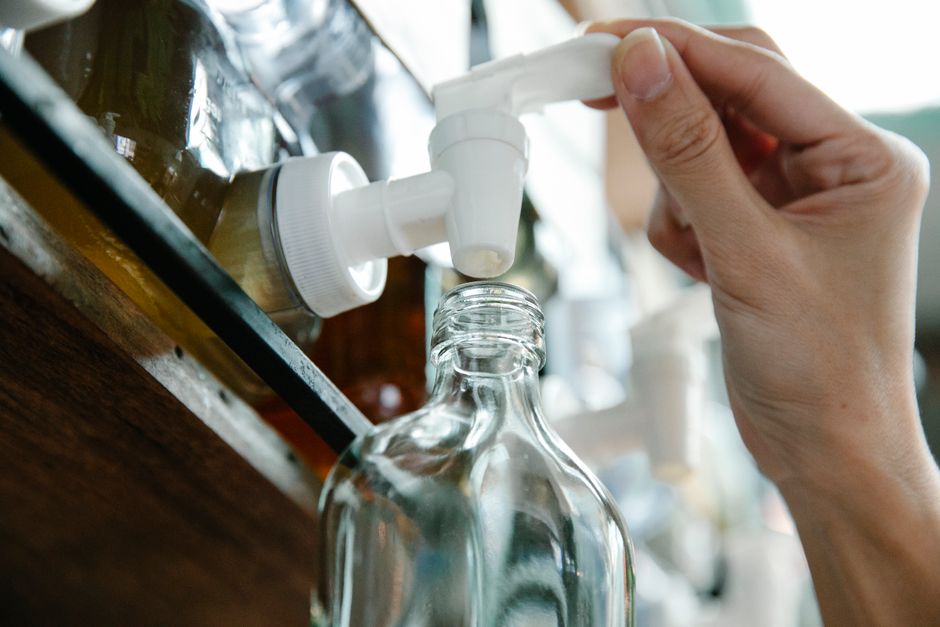
Window and Glass Cleaner
Commercial window cleaners contain ammonia and various cleaning enhancers. Eco alternatives excel:
Vinegar glass cleaner (50/50 vinegar and water): Streak-free with proper technique. The classic solution for a reason. Plant-based branded options: Method Glass Cleaner and similar perform well. Microfiber cloth only: High-quality microfiber cloths clean glass effectively with just water in many cases. Cost difference: DIY essentially free after initial bottle purchase; branded equivalent. Verdict: Swap immediately.Floor Cleaners
Most hard floors don't need specialty cleaners:
Vinegar solution: 1 cup vinegar per gallon water for sealed hardwood (sparingly), tile, linoleum. Not for natural stone or unsealed wood. Castile soap solution: 2 tablespoons per gallon water for most floors. Plant-based branded cleaners: Method, Seventh Generation, Mrs. Meyer's all offer floor cleaners. Cost difference: DIY saves 80-90%; branded slightly more than conventional. Verdict: Swap for most floors.The Medium Wins: Swaps With Minor Tradeoffs
These swaps work well but may require slight adaptations:
Toilet Bowl Cleaner
Eco alternatives:- Baking soda + vinegar (foams when combined; let sit)
- Castile soap + baking soda paste
- Branded plant-based cleaners (effective but sometimes slower on stains)
Bathroom Tile and Grout
Eco alternatives:- Baking soda paste for scrubbing
- Hydrogen peroxide for whitening grout
- Oxygen bleach (sodium percarbonate) for deep cleaning
Laundry Stain Remover
Eco alternatives:- Oxygen bleach (sodium percarbonate) — highly effective for most stains
- Hydrogen peroxide for protein stains
- Baking soda paste for grease
- Branded plant-based stain removers
Deodorizers and Air Fresheners
Conventional air fresheners mask odors and add significant volatile chemicals. Eco alternatives focus on eliminating rather than masking:
Baking soda absorbs odors. Open containers in fridges, cabinets, shoes. Essential oils in diffusers add pleasant scents without chemical load. White vinegar in open container removes strong odors. Activated charcoal bags absorb odors without fragrance. Plants (pothos, snake plant, peace lily) reduce some airborne compounds. Tradeoff: Elimination takes longer than masking. Some situations benefit from scent beyond what natural options provide. Verdict: Swap for health-focused households; accept slower odor resolution.The Difficult Swaps: Tradeoffs Worth Considering
Some conventional products are hard to match. Be honest about tradeoffs:
Oven Cleaner
Eco alternatives:- Baking soda paste + overnight sit + vinegar spray
- Steam-cleaning methods
- Branded plant-based cleaners (EcoEarth's)
Drain Cleaner
Eco alternatives:- Baking soda + vinegar + boiling water (effective for minor clogs)
- Enzymatic cleaners (plant-based, work slowly)
- Manual plunging and snaking (effective for moderate clogs)
Disinfectants
This category has nuance:
For general surface cleaning: Most surfaces don't require disinfectant. Cleaning with soap removes most pathogens mechanically. For true disinfection needed:- Hydrogen peroxide (3%): Effective disinfectant, minimal residue
- 70% alcohol: Effective for hard surfaces
- Thyme-based disinfectants (Benefect and similar): EPA-registered plant-based disinfectants
Mold and Mildew Removers
Eco alternatives:- White vinegar (kills ~82% of mold species)
- Hydrogen peroxide
- Tea tree oil solution
Evaluating Product Claims
The cleaning aisle is full of greenwashing. Genuine eco products have specific indicators:
Meaningful Certifications
EPA Safer Choice — evaluates specific products for minimal environmental and health impact. USDA Certified Organic (for ingredients) — meaningful for agricultural ingredients. Green Seal, EcoLogo (UL) — third-party environmental certifications. Leaping Bunny — cruelty-free certification (not environmental but often correlates). B Corp certification — company-level commitment to environmental/social standards.Less Meaningful Claims
"Natural" or "Eco-friendly" — no regulated definition; can mean anything. "Non-toxic" — often used loosely; technically almost nothing is "non-toxic" at sufficient doses. "Green" — marketing term without certification backing. "Biodegradable" — technically true of almost everything eventually; meaningful only with specific standards like OECD 301.Ingredient Transparency
Reputable eco products list all ingredients. Be suspicious of products with:
- "Fragrance" without specifying sources
- Proprietary blends without explanation
- Refusal to disclose on request
The EWG (Environmental Working Group) Guide to Healthy Cleaning rates products on ingredient transparency and safety.
Budget Considerations
Eco products range widely in cost. Budget approach:
Save Money With:
DIY basics: Vinegar, baking soda, castile soap, essential oils allow making many cleaners at fraction of commercial cost. Concentrates: Plant-based concentrates that dilute at home save significantly vs. pre-diluted products. Bulk purchasing: Co-ops and refill stations price eco products competitively with conventional when bought in bulk. Generic eco brands: Grocery store eco lines (Trader Joe's, Whole Foods 365, ALDI) often cost less than premium brands while using similar formulations.Spend More On:
Categories where quality matters most:- Laundry detergent (performance matters)
- Dishwasher detergent (eco dishwasher pods vary widely)
- Specific-purpose products like stainless steel cleaner
Average Household Cost
Transitioning to eco cleaning typically costs:
- Full premium eco transition: 20-40% more than conventional
- DIY heavy approach: 30-50% less than conventional
- Mixed approach (DIY basics + branded specialty): Roughly equal to conventional
Budget-conscious transition is entirely possible.
Common Mistakes
All-or-nothing swaps. Trying to replace everything simultaneously leads to discovering problems (performance, allergies, application) at maximum disruption. Prioritizing fragrance over function. Many eco brands compete on pleasant scents; some add these via essential oils you may react to. Underestimating transition time. Your hands, skin, and surfaces may need 2-4 weeks to adjust to different ingredients. Buying without trying. Small sizes for testing prevent wasting money on products that don't work for you. Ignoring the eco-product's real ingredients. "Plant-based" products can still contain ingredients worth avoiding; read labels. Expecting identical performance. Some eco products require slight technique adjustment (longer contact time, more scrubbing, different ratios) for best results.Next Steps
After completing strategic swaps, you'll have:
- Eco-friendly versions of your most-used cleaners
- Reduced overall chemical exposure
- Lower environmental impact
- Generally comparable or improved performance
In Part 3 of this series, we'll cover DIY recipes that let you make most cleaners from a handful of basic ingredients. For those who enjoyed the swap approach and want to go further, DIY recipes offer the deepest cost savings and greatest customization.
Part 4 addresses deep cleaning tasks (move-out cleaning, annual deep cleaning, specific difficult situations) without harsh chemicals. Part 5 covers sustaining the transition — habits that make eco cleaning your default, not a willpower project.Final Thoughts
The swap approach works because it respects your existing knowledge of cleaning. You already know which products you use, when, and what results you expect. Swapping conventional for eco alternatives at the same task takes this knowledge and applies it to better products — far simpler than starting over.
Begin with the easy wins. Experience success with swaps that genuinely work. This builds confidence for the medium and difficult swaps where more adjustment is required.
After 2-3 months of strategic swapping, most households have transitioned the majority of their cleaning without feeling the change as a burden. The routines look the same from outside; what's in the bottles has changed significantly.
The eco cleaning cabinet doesn't have to look like a hippy caricature of the 1970s. Modern eco products are elegant, effective, and sit comfortably alongside any kitchen aesthetic. The transition is more accessible than ever — and the cumulative effect across millions of households makes real impact on environmental health.