

Best Microfiber Cleaning Cloths of 2026: What to Buy and Why They Beat Everything Else
Microfiber cleaning cloths are one of the most researched cleaning tools available — and the evidence consistently points in one direction. Studies comparing cleaning surfaces show microfiber cloths remove significantly more bacteria and surface particles than conventional cotton cloths using only water, no chemical cleaners required.
The difference comes down to physics. Each microfiber strand is split during manufacturing into dozens of smaller fibers, creating millions of microscopic hooks and pockets per cloth. These structures lift and trap particles at a mechanical level rather than simply pushing them around. The result: a cloth that genuinely cleans surfaces rather than redistributing contamination.
But not all microfiber cloths are equal. GSM weight, fiber split quality, weave type, and washing durability vary dramatically between budget and quality options. This guide covers what those differences mean and which types of microfiber cloth are worth buying in 2026.

Understanding Microfiber Quality
GSM (Grams per Square Meter)
GSM is the most important single number in microfiber quality. It measures fabric density — higher GSM equals more fiber per square inch.
- 200–250 GSM: Light, thin cloths suitable for glass and smooth surfaces. Streak-free performance on mirrors and windows.
- 280–320 GSM: General-purpose weight. Suitable for kitchen counters, appliances, and bathroom surfaces. The most versatile range.
- 350–450 GSM: Thick, plush cloths. Excellent for dusting, wiping down cars, and surfaces where you want more cushioning.
- 500+ GSM: Premium thick cloths often used for polishing and buffing.
Split Fiber Quality
High-quality microfiber has fibers split to 1/100th of a human hair. Low-quality microfiber may appear similar but has less splitting and performs closer to a standard cloth. The practical test: drag a dry microfiber cloth across a dry glass surface. Quality split microfiber creates drag and clings slightly. Non-split fiber glides smoothly.
Weave Type
Waffle weave: Textured pattern with peaks and valleys that provide extra scrubbing action. Best for textured surfaces, bathroom tile, and kitchen surfaces. Terry weave: Looped construction similar to a towel. High absorbency. Good for general wiping and wet cleaning tasks. Flat weave: Smooth surface. Best for glass, screens, and polished surfaces where scratch risk is a concern.Best Microfiber Cloths by Use
Best for Glass and Mirrors
Glass is unforgiving — any residue, lint, or streaking shows immediately. Microfiber cloths for glass need to be lint-free, thin enough not to leave fiber traces, and electrostatically charged enough to lift dust without pressing it into the surface.
Look for: 200–250 GSM, flat weave, edge-sewn to prevent fraying that leaves lint. Color-coded packs allow glass-only cloths to stay separate from general cleaning cloths (preventing cross-contamination).
Best for Kitchen and Bathroom
General household surfaces need a cloth that combines good absorbency with cleaning power. The 280–320 GSM range hits this balance. Waffle weave adds scrubbing texture for stuck-on residue.
Look for: Waffle or terry weave, 300+ GSM, color-coded packs (to keep bathroom cloths separate from kitchen), machine washable up to high temperatures (at least 140°F) for sanitation.
Best for Dusting
Dusting requires cloths with strong electrostatic properties — the ability to attract and hold dust particles rather than scattering them. Thicker, plush cloths in the 350+ GSM range with looped fibers are most effective.
Look for: 350+ GSM, looped terry construction, can be used dry (electrostatic action works best on dry surfaces).
Best for Stainless Steel Appliances
Stainless steel scratches easily and shows fingerprints prominently. The right microfiber cloth for stainless is smooth-weave and on the thinner end — enough to pick up fingerprints without micro-scratching the surface.
Look for: Smooth flat weave, 200–250 GSM, separate dedicated cloth never used on abrasive surfaces.
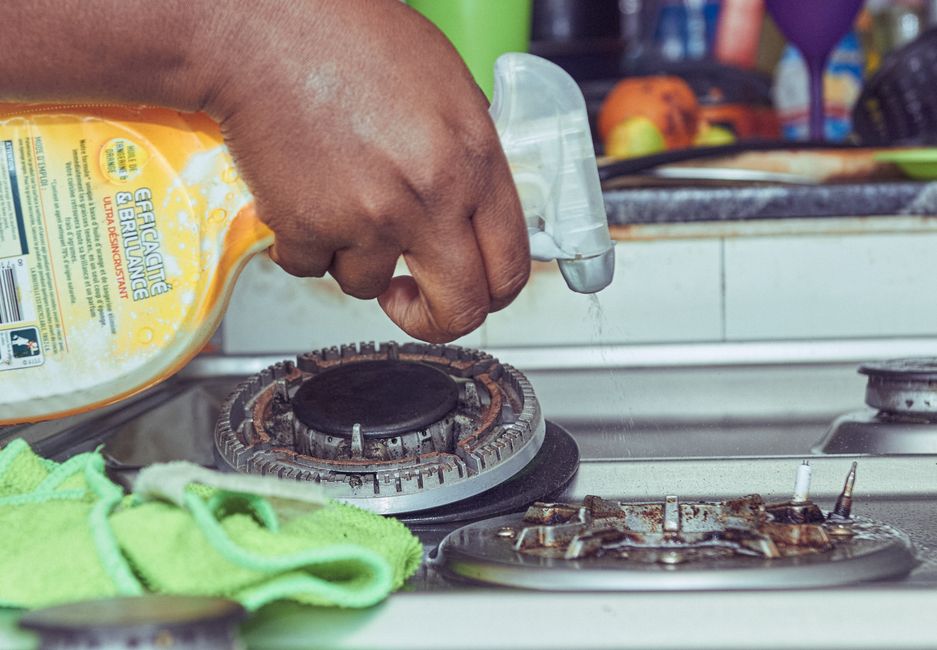
How Many Cloths Do You Actually Need?
Under-purchasing is the most common mistake. Using one cloth on multiple surfaces cross-contaminates — bacteria and particles picked up in the bathroom go onto the kitchen counter if you use the same cloth.
Minimum recommended stock per household:- 6–8 general-purpose cloths (kitchen and bathroom, separate sets)
- 4–6 glass/mirror cloths
- 4–6 dusting cloths
- 2–4 dedicated stainless steel cloths
This allows adequate rotation between washes, maintains hygiene separation, and means you always have clean cloths available.
Washing and Maintaining Microfiber
Microfiber loses performance if washed incorrectly:
Never wash with fabric softener. Fabric softener coats fibers, reducing the split structure that makes microfiber effective. This is the most common way microfiber cloths are prematurely ruined. Wash separately or with lint-free items only. Cotton towels and fleece shed lint that embeds in microfiber weave and reduces cleaning performance. Wash at high temperature for sanitization. Regular cleaning cloths should be washed at 140°F+ to kill bacteria they've collected. Dry on low heat or air dry. High heat can melt or distort synthetic fibers over time.Properly cared for, quality microfiber cloths last 500+ wash cycles without significant performance loss.
Signs It's Time to Replace
- Cloths no longer create drag on glass surfaces
- Persistent odors that washing doesn't remove
- Visible fraying or fiber loss
- Cloth feels thin, limp, or slippery compared to when new
Browse our full selection of microfiber cleaning cloths — available in sets of 12, 24, and 36 across all types and weights — to find the right combination for your home cleaning toolkit.