

The Perfect Room-by-Room Cleaning Guide — Part 2: Deep Cleaning Your Bathroom
Quick Summary: Learn everything you need to know about home cleaning. This guide covers the most effective methods, top tips, and practical steps you can use right away.
This is Part 2 of 8 in our series: The Perfect Room-by-Room Cleaning Guide. Missed Part 1? [Read: The Perfect Kitchen Deep Clean]
---
If the kitchen is the most used room in the home, the bathroom is the most important to keep clean from a hygiene standpoint. Warm, moist environments create ideal conditions for mold, mildew, and bacteria — and bathrooms have no shortage of warm, moist surfaces.
In Part 2 of our room-by-room guide, we're tackling every inch: the surfaces everyone cleans, the spots most people miss, and a few techniques that make a genuine difference in both cleanliness and how long results last.

---
Before You Start: The Right Order
Bathroom cleaning has a correct sequence. Doing it out of order means re-contaminating surfaces you've already cleaned.
The right order:
- Ventilate — open a window or turn on the exhaust fan
- Apply toilet bowl cleaner first (let it soak while you do everything else)
- Clear counters and remove items from the shower
- Dust and wipe down walls, vents, and high surfaces (top-down always)
- Clean mirrors and glass
- Clean sink and vanity
- Clean shower and tub
- Clean toilet (inside and outside)
- Mop or wipe down floors last
Starting with the toilet bowl cleaner is the key efficiency trick — it needs dwell time to work, so applying it first means it's ready to scrub by the time you get there.
---
The Shower and Tub
This is where most bathrooms show their worst neglect — and where the right technique makes the biggest difference.
Shower Glass Doors
Hard water mineral deposits and soap scum build up into a film that seems nearly impossible to remove. Here's what actually works:
For soap scum:
White vinegar is your best starting point. Heat it slightly (warm, not boiling), spray it generously on the glass, and let it sit for 5 minutes. Then scrub with a non-scratch sponge. For heavier buildup, apply a paste of baking soda, scrub, then rinse with the warm vinegar to dissolve the baking soda residue.
For mineral deposits (white, chalky buildup):
These require acid to dissolve. Use a commercial lime scale remover or a product containing citric acid. Apply, let it sit for the recommended time, and wipe clean. For severe buildup, a razor scraper (used at a shallow angle) removes mineral scale without scratching tempered glass.
Prevention: After each shower, use a squeegee on the glass. This single habit prevents almost all soap scum and mineral deposit buildup. Takes 30 seconds. Transforms how long your glass stays clean.
Grout Lines
Shower grout is porous, constantly wet, and dark-colored grout is nearly always actually mold rather than "just dirt."
For white grout: Apply a bleach-based gel cleaner (the gel format clings to vertical surfaces), let it sit for 10 minutes, then scrub with a stiff grout brush. Rinse thoroughly. For colored grout: Use an oxygen bleach cleaner to avoid color fade. For persistent mold that doesn't respond to surface cleaning: The mold has grown into the grout. The long-term solution is regrouting, but in the short term, apply cleaner and leave it on overnight covered with cling wrap to prevent drying. Prevention: Apply a grout sealer annually. It takes 30 minutes and dramatically reduces how much mold and staining penetrates the grout.
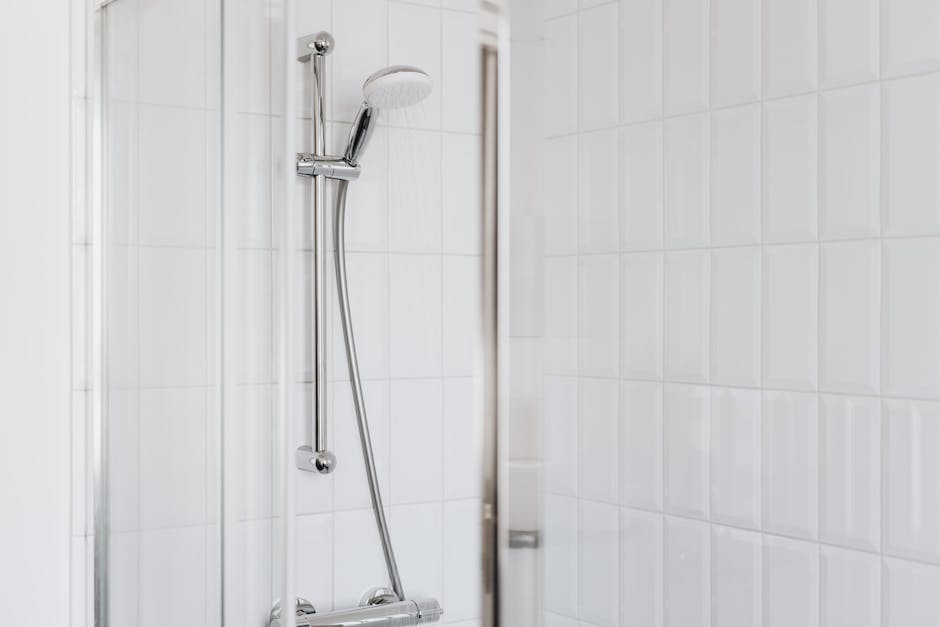
Showerhead
Showerhead minerals build up inside the nozzles, reducing flow and creating a breeding ground for bacteria. Clean it monthly.
Method: Fill a plastic bag with white vinegar, submerge the showerhead in it (or remove the showerhead and submerge fully), and leave for 30–60 minutes. The vinegar dissolves mineral deposits. Wipe clean and run the shower on full blast for 30 seconds to clear loosened deposits.
---
The Toilet: The Thorough Version
Most people clean the toilet bowl and wipe the seat. A genuinely thorough toilet clean covers more.
The bowl:
Add your toilet bowl cleaner under the rim at the start of cleaning (you did this first, remember). After 10–20 minutes of dwell time, scrub with a toilet brush — under the rim especially, where mineral deposits and bacteria concentrate. Flush while scrubbing to rinse.
The exterior:
- Seat (top and bottom)
- Lid (top and bottom)
- The hinge area (consistently missed — bacteria concentrates here)
- The outside of the bowl
- The base where it meets the floor (another commonly missed area)
- The water supply line and shut-off valve
Use a disinfectant spray and work from cleanest (lid) to dirtiest (base) to avoid cross-contamination.
The tank:
Once a year: lift the lid and look inside. A clean tank should be relatively clear. If it has orange or brown residue, add a tank cleaning tablet. Dirty tank water eventually makes it harder to keep the bowl clean.
---
The Sink and Vanity
Faucet:
Chrome and stainless steel faucets respond beautifully to white vinegar for mineral deposits. Soak a cloth in vinegar, wrap it around the faucet, and leave for 10 minutes. Polish with a dry cloth for a streak-free finish.
The aerator (the small screen at the tip of the faucet) collects mineral deposits and reduces flow over time. Unscrew it monthly, rinse it under running water, and soak it in vinegar if there's visible buildup.
Sink basin:
Baking soda paste with a few drops of dish soap, applied with a soft cloth, cleans most sink materials without scratching. Rinse thoroughly and dry to prevent water spots.
Vanity and medicine cabinet:
- Wipe down all surfaces with an all-purpose cleaner
- Don't forget the sides and top of the medicine cabinet
- Check expiration dates on medications annually and dispose of them properly (many pharmacies offer medication disposal)
- Clean makeup brushes and holders monthly — they harbor bacteria
---
Mirrors and Glass
The streak-free mirror method:
Streak-free glass comes down to two things: the right cleaner and the right cloth.
- Spray glass cleaner (or a 50/50 water and white vinegar solution) onto a microfiber cloth — not onto the mirror directly (overspray gets onto the wall and creates more work)
- Wipe in an S-pattern from top to bottom
- Buff with a dry section of the cloth
Why streaks happen: Using too much product, using paper towels (which leave lint), or wiping in circles rather than a consistent pattern.
---
The Floor
Bathroom floors harbor bacteria from toilet splatter (yes, this happens every flush — it's called toilet plume). A proper bathroom floor clean involves both sweeping and disinfecting.
- Sweep or vacuum to remove hair and debris (hair tangles in mop heads and makes mopping less effective)
- Mop with a disinfecting floor cleaner
- Pay attention to the base of the toilet and the area around the door (these collect more traffic)
- Let the floor dry completely before replacing items
Grout on the floor: Floor grout accumulates more dirt than wall grout because it's horizontal and people walk on it. A steam cleaner is the most effective tool for floor grout — the heat kills bacteria and loosens embedded dirt without chemicals.
---
The Spots Almost Everyone Misses
- Exhaust fan vent: Collects dust and reduces effectiveness. Remove the cover, wash it in soapy water, vacuum the vent opening.
- Light switch and door handle: High-touch surfaces that are rarely sanitized. Wipe with a disinfectant wipe weekly.
- Behind the toilet: Between the toilet and the wall. A long-handled brush or a flexible cleaning wand reaches this area.
- Inside the toilet brush holder: Empty it, clean it with a disinfectant, and let it dry before replacing the brush.
- Towel bars and rings: Particularly the back side, which collects dust and humidity residue.
---
Your Bathroom Deep Clean Checklist
- [ ] Toilet bowl (applied at start, scrubbed after dwell time)
- [ ] Toilet exterior (seat, lid, hinges, bowl exterior, base)
- [ ] Shower glass doors
- [ ] Shower grout
- [ ] Showerhead (vinegar soak)
- [ ] Tub or shower walls
- [ ] Faucet and aerator
- [ ] Sink basin
- [ ] Mirror (streak-free)
- [ ] Vanity and storage
- [ ] Floor (sweep + mop + disinfect)
- [ ] Exhaust fan vent
- [ ] Light switch and door handle
---
Up Next in Part 3
We're moving to the living room — the room with the most surface variety and the most overlooked cleaning needs. We'll cover upholstery, electronics, rugs, and all the corners and crevices that get skipped in weekly cleaning.
Part 3: The Living Room Deep Clean — Coming Next Week
---
Series: The Perfect Room-by-Room Cleaning Guide Part 1: Kitchen | Part 2: Bathroom | Part 3: Living Room | Part 4: Bedroom | Part 5: Home Office | Part 6: Laundry Room | Part 7: Garage | Part 8: The Annual Whole-Home Deep Clean
Related Reading
🛒 Ready to shop? Browse our Mops & Buckets — curated products to make your cleaning routine easier and more effective.