

The Complete Carpet Deep Cleaning Guide: Methods That Actually Work
Carpets accumulate far more than they appear to hold. A single square meter of residential carpet can contain over a kilogram of embedded dust, dander, pollen, and soil — most of it invisible and untouched by routine vacuuming. Over time, this buildup flattens fibers, dulls colors, and degrades indoor air quality.
Deep cleaning once or twice a year resets your carpets to a genuinely clean state. This guide walks through the methods that work, the ones that don't, and how to match the right approach to your specific carpet and situation.

Why Vacuuming Alone Isn't Enough
A quality vacuum removes roughly 85% of surface-level dry debris. What it cannot remove:
- Embedded particles that have worked their way to the carpet backing over months or years
- Oily residues from skin, food, and airborne cooking particles that bind dust to fibers
- Dissolved stains that have set into fiber cores
- Biological matter including dust mite waste, pet dander, and mold spores in humid areas
- Trapped odors in padding beneath the carpet
These require water, heat, or chemistry — not just suction — to release.
The Four Main Deep Cleaning Methods
1. Hot Water Extraction (Steam Cleaning)
The method most professional services use and the most effective for thorough cleaning. Hot water and cleaning solution are injected into the carpet under pressure, then immediately extracted along with dissolved soil.
Best for: Annual or semi-annual deep cleans, heavily soiled carpet, homes with pets or allergies Drying time: 6–12 hours depending on humidity and airflow DIY option: Rental machines from hardware stores or purchase of a home carpet cleaner2. Dry Powder Cleaning
A specialized cleaning compound is sprinkled across the carpet, worked into fibers with a brush, and then vacuumed up along with the dirt it has absorbed. No water involved.
Best for: Quick refreshes, delicate carpets, areas needing same-day use Drying time: None — ready immediately Limitation: Less effective for deep soil and set-in stains3. Encapsulation Cleaning
A cleaning solution containing polymer agents is applied, worked in, and left to dry. The polymers crystallize around dirt particles, which are then vacuumed out.
Best for: Commercial carpets, regular maintenance between deep cleans Drying time: 30 minutes to 2 hours4. Bonnet Cleaning
A rotating absorbent pad soaked in cleaning solution is used on low-pile commercial carpet to lift surface soil.
Best for: Very light touch-ups on commercial carpet — not recommended for residential use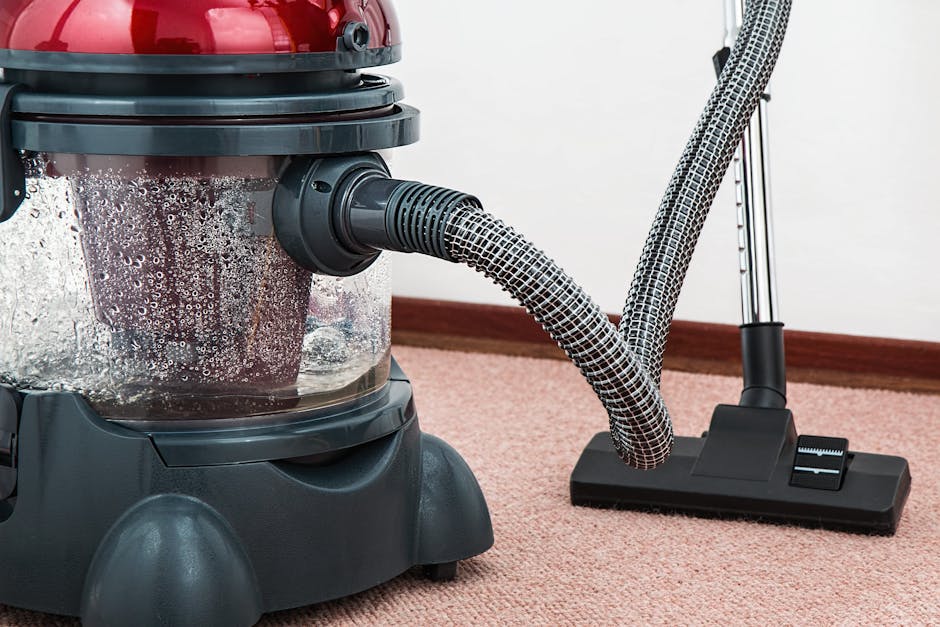
Pre-Cleaning Preparation
Skipping prep work is the single biggest reason DIY deep cleans produce disappointing results.
Vacuum thoroughly first. Two passes in perpendicular directions to lift fibers and remove loose debris. A deep cleaner cannot extract dirt it has to wade through. Spot-treat stains before full cleaning. Apply appropriate stain remover to each problem area and work it in gently with a soft brush. Let it dwell for 5–10 minutes. Move furniture out of cleaning zones. If moving is impossible, place small plastic or foil squares under furniture legs to prevent stain transfer onto damp carpet. Test your cleaning solution on an inconspicuous area first. Especially important for older carpets, wool, or anything with a history of unknown prior treatments.Stain Treatment Fundamentals
Different stains respond to different chemistries. Using the wrong treatment can set a stain permanently.
| Stain Type | Treatment | Notes |
|------------|-----------|-------|
| Water-based (coffee, juice, wine) | Cold water + dish soap solution | Blot, never rub |
| Oil-based (butter, makeup) | Dish soap + warm water | Follow with clean water rinse |
| Protein (blood, dairy, vomit) | Cold water only, never hot | Hot water sets protein |
| Pet urine | Enzymatic cleaner | Standard cleaners mask but don't eliminate |
| Gum, wax | Ice to harden, then scrape | Follow with solvent spot cleaner |
| Red wine | Salt to absorb, then hydrogen peroxide | Fast action is critical |
| Ink | Rubbing alcohol on clean cloth | Blot outward from edges |
The universal rule: blot, never rub. Rubbing spreads the stain and damages fiber texture.
Step-by-Step Hot Water Extraction
Using a rental or home carpet cleaner with cleaning solution:
For heavily soiled areas, make two wet passes followed by two dry extraction passes.
Drying Properly Prevents Worse Problems
A carpet left damp for more than 24 hours invites mold, mildew, and an unrecoverable musty odor. Accelerate drying with:
- Open windows when outdoor humidity is lower than indoor
- Ceiling fans and box fans directing airflow across the surface
- Dehumidifier in the room (especially in humid climates)
- Air conditioning set to a lower temperature — cold air holds less moisture
Check carpet and padding for residual dampness by pressing a folded paper towel into the carpet. If moisture transfers, it's not dry.
Between Deep Cleans: Daily and Weekly Habits
Deep cleaning resets your carpet. Routine habits determine how long that reset lasts.
- Vacuum high-traffic areas at least twice a week — embedded soil is what shortens carpet lifespan
- Full-home vacuum once a week minimum; more with pets
- Address spills within 60 seconds — nearly any fresh spill can be blotted out before it becomes a stain
- Use entry mats at every outside door — 80% of indoor dirt arrives on shoes
- Shoe-free interior policy if practical — the single biggest impact on carpet longevity
- Rotate furniture every 6 months to distribute wear
When to Call a Professional
Go professional when:
- Your carpet has never been deep cleaned and is more than 2 years old
- Pet accidents have soaked into padding
- Water damage has occurred (flooding, leaks)
- You have delicate natural fibers (wool, silk) requiring specialized handling
- Stains have resisted multiple DIY treatments
Professional hot water extraction costs roughly $0.30–$0.60 per square meter and achieves results home equipment generally cannot match.
How Often to Deep Clean
- Light traffic, no pets, no allergies: Every 18–24 months
- Average household: Every 12 months
- Pets, children, or allergies: Every 6 months
- High traffic or home-based business: Every 3–6 months
Your carpet's manufacturer warranty typically requires documented professional cleaning every 12–24 months — check your warranty terms.
Final Thoughts
A properly deep-cleaned carpet transforms a room. Colors brighten, fibers rebound, odors disappear, and the air measurably improves. The difference between DIY and professional results comes down less to equipment and more to technique: thorough prep, proper solution ratios, slow passes, and complete drying.
Invest the time once or twice a year and your carpets will last years longer, look dramatically better, and contribute to a genuinely cleaner home.