

Kitchen Cleaning Tips for Summer Food Safety
Summer brings barbecues, fresh produce, and outdoor entertaining, but it also brings the perfect conditions for foodborne bacteria. Warmer temperatures mean food spoils faster, kitchen surfaces harbor more germs, and one lapse in kitchen hygiene can send your whole family to the doctor. These kitchen cleaning tips focus specifically on the summer-related challenges that make warm-weather cooking riskier than the rest of the year.
Why Summer Demands Better Kitchen Hygiene
Bacteria like salmonella and E. coli multiply rapidly between 40 and 140 degrees Fahrenheit, a range known as the danger zone. During summer, your kitchen naturally runs warmer, groceries spend more time at higher temperatures during transport, and the increased frequency of raw meat handling for grilling raises contamination risk.
Following proper kitchen cleaning tips during summer is not about being overly cautious. It is about protecting your family from preventable illness.

Daily Kitchen Cleaning Routine for Summer
Countertops: Clean After Every Use
Summer means more frequent food preparation. Wipe countertops with a food-safe disinfectant after every meal prep session, not just at the end of the day. Pay special attention to areas where raw meat, poultry, or seafood touched any surface.
Cutting Boards: The Cross-Contamination Risk
Use separate cutting boards for raw meats and fresh produce. After each use, wash cutting boards with hot soapy water and sanitize with a diluted bleach solution or white vinegar. Wooden boards should be dried thoroughly since moisture encourages bacterial growth.
Kitchen Sponges: Replace Frequently
Kitchen sponges harbor more bacteria per square inch than almost any other household item. In summer heat, they become breeding grounds even faster. Replace sponges weekly or microwave a damp sponge for two minutes daily to kill bacteria. Better yet, switch to washable microfiber cloths that can be laundered in hot water.
Trash and Compost: Empty Daily
Summer heat accelerates decomposition and odor in kitchen waste. Empty trash daily and wash the bin with disinfectant weekly. If you compost, keep the indoor bin small and empty it every evening to prevent fruit fly infestations.
Refrigerator Summer Maintenance
Temperature Check
Your refrigerator should maintain 40 degrees Fahrenheit or below, and your freezer at 0 degrees or below. Place a thermometer inside each to verify, especially during summer when frequent door opening raises internal temperature.
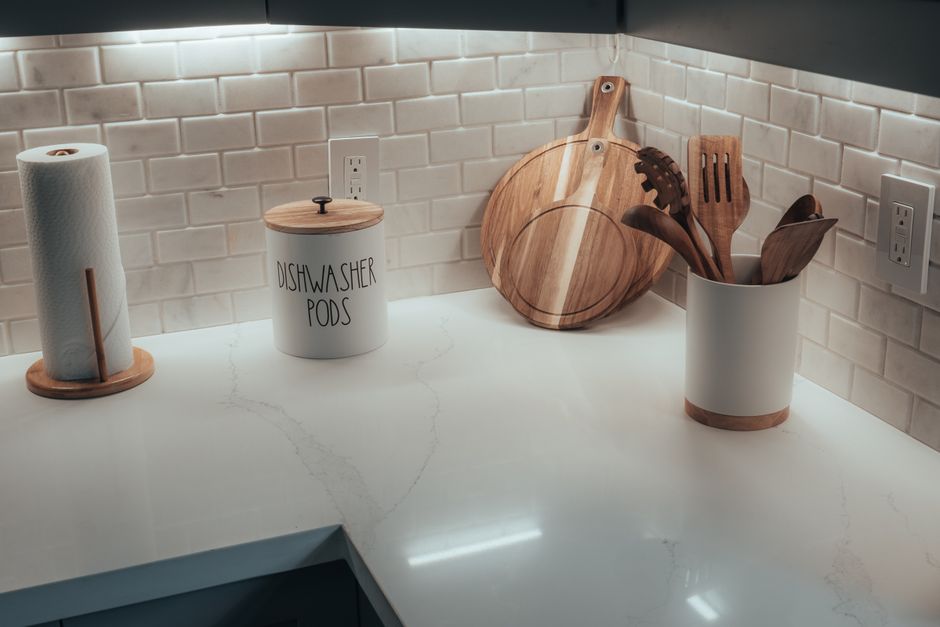
Weekly Clean-Out
Do a weekly refrigerator clean-out every Sunday before your grocery trip. Toss anything past its prime, wipe shelves with a baking soda solution, and reorganize to keep new items behind older ones.
Proper Summer Food Storage
- Store raw meat on the lowest shelf to prevent drips onto other food
- Keep berries and stone fruits unwashed until ready to eat
- Transfer leftovers from outdoor events to the refrigerator within one hour in summer (not the standard two hours)
- Store herbs in a glass of water like flowers to extend freshness
Deep Cleaning the Kitchen for Summer Entertaining
Before your first big summer gathering, give the kitchen a thorough deep clean:
Oven and Grill
Clean the oven interior and racks. For outdoor grills, burn off residue on high heat, then scrub grates with a grill brush. A clean grill prevents old grease from contaminating fresh food.
Dishwasher
Run an empty cycle with a dishwasher cleaner or a cup of white vinegar. In summer, moisture and warmth inside the dishwasher encourage mold and mildew buildup around the door gasket.
Garbage Disposal
Freshen the disposal with ice cubes and citrus peels. The ice sharpens the blades while citrus oils deodorize. Follow with hot water and a splash of vinegar.
Summer-Specific Kitchen Cleaning Challenges
Fruit Fly Prevention
Fruit flies appear seemingly from nowhere in summer. Store ripe fruit in the refrigerator, clean up juice spills immediately, and set a small trap of apple cider vinegar with a drop of dish soap near fruit bowls.
Ant Deterrence
Clean up crumbs and sticky residue thoroughly. Seal any cracks around windows and doors with caulk. Wipe down surfaces with a vinegar solution since ants follow scent trails that vinegar disrupts.
Grease Buildup
Summer grilling and cooking produce extra grease on range hoods, backsplashes, and surrounding surfaces. Degrease weekly using a kitchen degreaser or a baking soda paste to prevent buildup that becomes much harder to remove over time.
Quick Kitchen Cleaning Tips Checklist
- Wipe counters after every food preparation session
- Sanitize cutting boards after raw meat contact
- Replace or sanitize sponges weekly
- Check fridge temperature weekly
- Empty trash daily in hot weather
- Clean spills immediately to prevent pests
- Deep clean appliances monthly during summer
- Wash dish towels every two to three days
A Clean Kitchen Is a Healthy Kitchen
Summer should be about enjoying good food with family and friends, not dealing with foodborne illness. These kitchen cleaning tips keep your cooking space safe, fresh, and ready for all the seasonal cooking and entertaining ahead. Explore our kitchen cleaning essentials at https://ks0p0a-u0.myshopify.com/collections/kitchen-cleaning to stock up on everything you need for a spotless summer kitchen.