

How to Remove Hard Water Stains From Every Surface
If your faucets have a chalky white crust, your shower door looks permanently foggy, or your dishes come out spotted, you are dealing with hard water stains. These deposits are caused by minerals like calcium and magnesium left behind when water evaporates. The good news is that with the right approach, even years of buildup can be removed.
What Causes Hard Water Stains
Hard water contains dissolved minerals. When it dries on a surface, the water evaporates but the minerals stay, leaving behind white or cloudy deposits known as limescale. The longer these deposits sit, the harder they become and the more stubborn they are to remove.
Common problem areas include faucets, showerheads, glass shower doors, tile, toilets, sinks, and dishes.
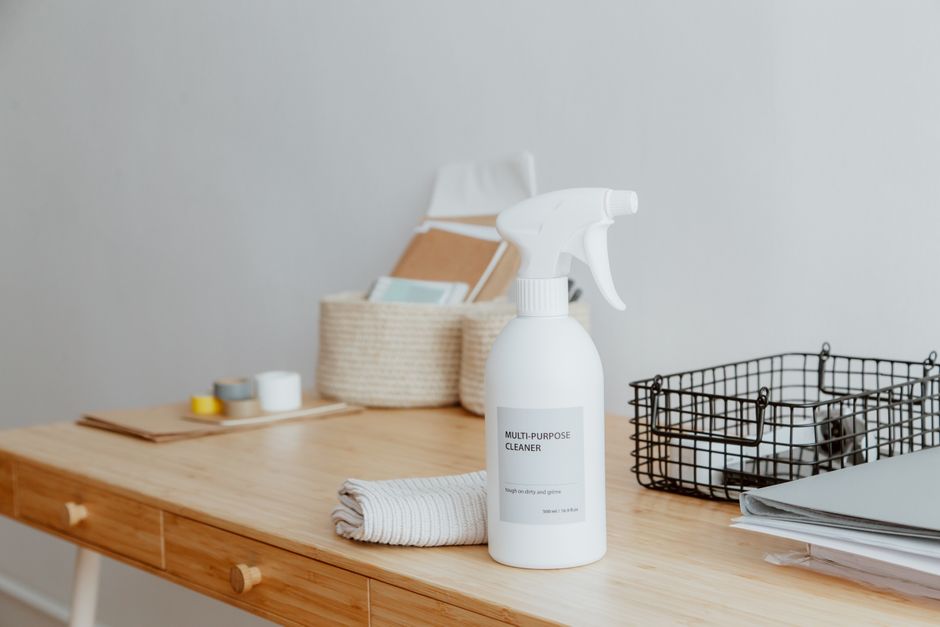
The Best Natural Stain Remover: White Vinegar
White vinegar is mildly acidic, which makes it ideal for dissolving the alkaline minerals in hard water stains. It is inexpensive, non-toxic, and effective on nearly every surface.
Basic Method
Removing Stains by Surface
Faucets and Fixtures
Soak a cloth or paper towel in vinegar and wrap it around the faucet. Secure it with a rubber band and leave it for 30 minutes to an hour. The wrap keeps the vinegar in contact with the metal so it can dissolve the crust. Wipe clean and buff dry.
Showerheads
Fill a plastic bag with vinegar and tie it around the showerhead so the nozzles are submerged. Leave it overnight, then remove and run hot water to flush out loosened deposits. This restores weak, clogged spray.
Glass Shower Doors
Spray vinegar generously and let it sit for 15 minutes. For heavy buildup, make a paste of baking soda and a little water, apply it over the vinegar, and scrub in circles with a non-scratch pad. Rinse and squeegee dry.
Tile and Grout
Spray vinegar, wait 10 minutes, then scrub with a stiff brush. For grout lines, a paste of baking soda and vinegar works into the porous surface. Rinse thoroughly.
Toilets
Pour two cups of vinegar into the bowl, add baking soda, and let it fizz for 30 minutes. Scrub with a toilet brush, paying attention to the waterline where deposits gather, and flush.
Dishes and Glassware
Soak spotted glasses in a bowl of warm water and vinegar for 15 minutes, then wash as usual. To prevent future spots, add a rinse aid to your dishwasher.
When Vinegar Is Not Enough
For extremely stubborn, built-up limescale, a paste of cream of tartar and water or a commercial limescale remover may be needed. Always test on a small area first, and never use acidic cleaners on natural stone like marble or granite, which can etch.
Preventing Hard Water Stains
- Wipe down surfaces after use, especially shower doors and faucets
- Squeegee glass after every shower
- Install a water softener if hard water is a whole-home problem
- Use a rinse aid in your dishwasher
- Dry fixtures after cleaning to stop minerals from settling
Final Thoughts
Hard water stains are frustrating, but they are not permanent. White vinegar handles the vast majority of buildup, and a few preventive habits keep surfaces clear going forward. Keep a spray bottle of vinegar on hand, tackle stains before they harden, and your faucets, glass, and tile will stay bright and spot-free.