

How to Clean Every Type of Floor: Hardwood, Tile, Laminate, and More
Quick Summary: Learn everything you need to know about home cleaning. This guide covers the most effective methods, top tips, and practical steps you can use right away.
Not all floors are created equal — and they definitely should not all be cleaned the same way. Using the wrong cleaning product or technique on a particular floor type can cause warping, discoloration, or permanent damage. Whether you have gleaming hardwood in the living room, ceramic tile in the bathroom, or laminate throughout your hallway, knowing the right approach makes all the difference.
This comprehensive cleaning tips guide walks you through every major floor type, the best cleaning products for each, and the common mistakes that trip people up.
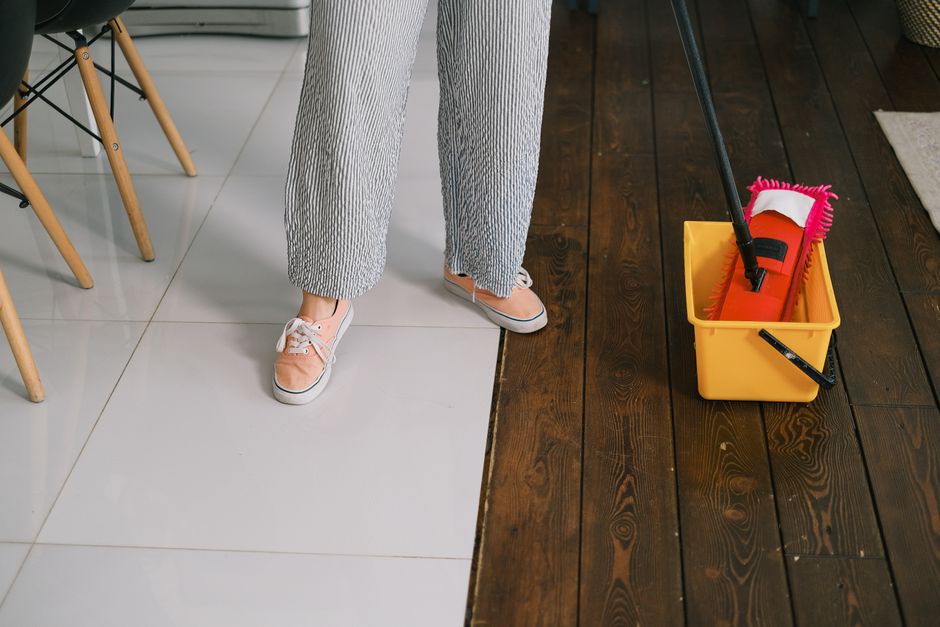
Hardwood Floors
Hardwood is one of the most popular flooring choices in homes, but it is also one of the most sensitive to moisture and harsh chemicals.
How to Clean Hardwood Floors
- Daily maintenance: Sweep or use a dry microfiber mop to pick up dust, pet hair, and debris. Grit left on the surface acts like sandpaper and scratches the finish over time.
- Weekly cleaning: Damp-mop with a hardwood-specific cleaner. Wring the mop thoroughly — excess water is hardwood's worst enemy.
- Deep cleaning: Once a month, use a pH-neutral hardwood floor cleaner and a microfiber mop. Work in sections and dry each area promptly.
Hardwood Dos and Don'ts
- Do place felt pads under furniture legs.
- Do wipe up spills immediately.
- Don't use a steam mop — the heat and moisture can warp the wood and damage the finish.
- Don't use vinegar or ammonia-based cleaners. Despite popular home cleaning hacks suggesting otherwise, these are too acidic or alkaline for sealed hardwood.
Ceramic and Porcelain Tile
Tile floors are durable and water-resistant, making them a go-to choice for kitchens, bathrooms, and entryways. The tile surface itself is relatively forgiving, but grout lines require extra attention.
How to Clean Tile Floors
- Daily maintenance: Sweep or vacuum to remove loose dirt. Sandy debris can dull the tile glaze if dragged across the surface.
- Weekly cleaning: Mop with warm water and a mild all-purpose cleaner. For textured tile, use a soft-bristle brush to get into grooves.
- Deep cleaning guide for grout: Mix baking soda with water to form a paste, apply it to grout lines, and scrub with a stiff brush. Let it sit for 10 minutes before rinsing. For stubborn stains, a diluted hydrogen peroxide solution can help.
Tile Dos and Don'ts
- Do seal grout lines once or twice a year to prevent staining and mildew.
- Do use doormats to reduce tracked-in dirt.
- Don't use oil-based cleaners on unglazed tile — they can stain.
- Don't let soapy residue build up. Rinse thoroughly after mopping.
Laminate Flooring
Laminate looks like hardwood but has a completely different construction — a photographic layer over fiberboard, sealed with a wear layer. It requires its own cleaning approach.
How to Clean Laminate Floors
- Daily maintenance: Sweep with a soft-bristle broom or use a dry microfiber mop. Avoid vacuums with beater bars, which can scratch the surface.
- Weekly cleaning: Spray a laminate-specific cleaner onto a microfiber mop (never directly onto the floor) and mop in the direction of the planks.
- Deep cleaning: For sticky spots, dampen a cloth with warm water and a drop of dish soap. Wipe the area and dry immediately.
Laminate Dos and Don'ts
- Do clean spills within minutes — laminate edges can swell if moisture seeps into the seams.
- Do use furniture pads and avoid dragging heavy items.
- Don't use a wet mop or bucket-and-mop method. Standing water causes irreversible damage to laminate.
- Don't use wax, polish, or oil-based products. They leave a dull film on the surface.
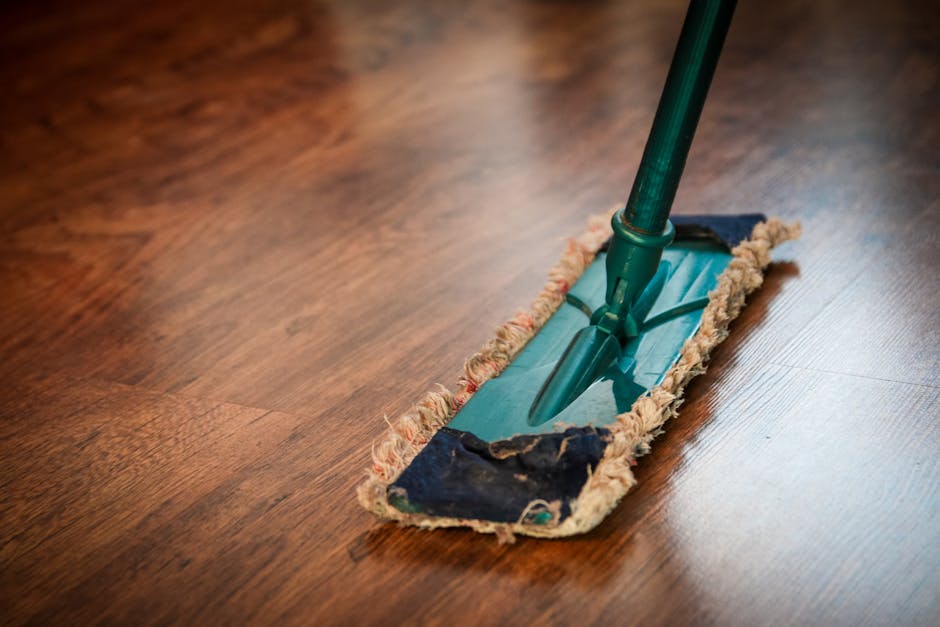
Vinyl and Luxury Vinyl Plank (LVP)
Vinyl flooring has come a long way. Modern luxury vinyl plank (LVP) is waterproof, scratch-resistant, and easy to maintain, making it one of the most forgiving floor types to clean.
How to Clean Vinyl Floors
- Daily maintenance: Sweep or vacuum with a hard-floor setting.
- Weekly cleaning: Mop with warm water and a gentle cleaner. Vinyl tolerates moisture better than hardwood or laminate, but you still do not want puddles sitting on the surface.
- Deep cleaning: For scuff marks, rub gently with a paste of baking soda and water. For overall deep cleaning, an apple cider vinegar and water solution (one cup per gallon) works well on vinyl.
Vinyl Dos and Don'ts
- Do use non-rubber-backed mats at entryways. Rubber backing can discolor vinyl over time.
- Do trim pet nails regularly to prevent scratches.
- Don't use abrasive scrubbers or steel wool.
- Don't use solvent-based cleaners or acetone — they break down the vinyl surface.
Natural Stone Floors (Marble, Slate, Travertine)
Natural stone is beautiful and adds serious value to a home, but it is porous and sensitive to acidic substances.
How to Clean Natural Stone
- Daily maintenance: Dust-mop or vacuum with a soft attachment.
- Weekly cleaning: Use a stone-specific pH-neutral cleaner. Avoid any product containing lemon, vinegar, or citric acid.
- Deep cleaning: Have stone floors professionally deep-cleaned and re-sealed every one to two years, depending on foot traffic.
Stone Dos and Don'ts
- Do blot spills immediately — especially wine, coffee, and citrus juice, which can etch the surface.
- Do use coasters under plant pots to prevent moisture rings.
- Don't use generic multi-surface cleaners. Most are too acidic or alkaline for stone.
- Don't skip sealing. Unsealed stone absorbs stains quickly and permanently.
Essential Tools for Every Floor Type
No matter what floors you have, these are the best cleaning products and tools to keep on hand:
- Microfiber mop with washable pads — works on every floor type and reduces chemical usage.
- Soft-bristle broom or stick vacuum — for daily debris removal.
- Spray bottles — for applying cleaning solutions in controlled amounts.
- Soft-bristle scrub brush — for grout and textured tile.
- pH-neutral all-purpose cleaner — safe for most surfaces when in doubt.
Common Mistakes to Avoid Across All Floors
Even with the best intentions, some cleaning habits cause more harm than good:
Keep Your Floors Looking Brand New
The secret to long-lasting floors is not complicated — it is consistency. A quick daily sweep and the right weekly cleaning routine protect your investment and keep your home looking polished. Match your cleaning products to your floor type, avoid the common mistakes above, and your floors will reward you with years of beauty.
Looking for the right tools and cleaning supplies to get started? Browse our collection of floor cleaning essentials designed for every surface in your home.
Related Reading
🛒 Ready to shop? Browse our Mops & Buckets — curated products to make your cleaning routine easier and more effective.