

Eco-Friendly Cleaning in 2026: The Trends Changing How We Clean at Home
Eco-friendly home cleaning has crossed a significant threshold. What was once a category that required accepting lower effectiveness in exchange for environmental benefit has shifted: the best plant-based, concentrated, and refillable cleaning products in 2026 now match or exceed conventional cleaners in performance benchmarks, while producing meaningfully less chemical and packaging waste.
The result is a genuine mainstream shift — not driven by sacrifice, but by products that are simply better in more dimensions than their predecessors. This guide covers the trends that are actually changing household cleaning practices in 2026 and the products and approaches worth paying attention to.
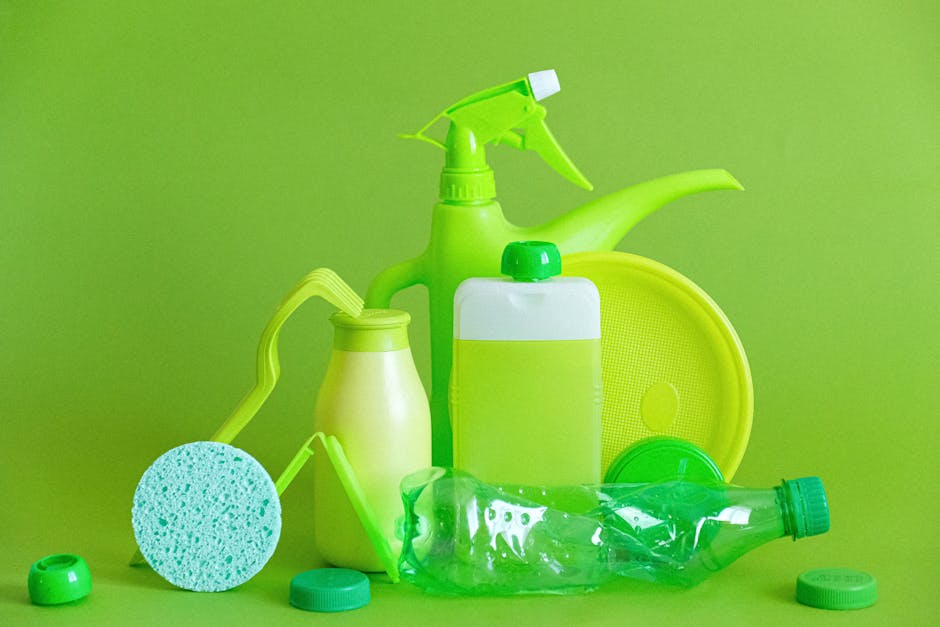
Trend 1: Concentrated and Refillable Formulas
The most significant structural change in the cleaning products market in recent years is the shift toward concentrated, refillable formats — and the economics finally make it the obvious choice for most households.
How it works: Instead of buying a new plastic bottle of all-purpose cleaner each week, you buy a small concentrated pod, tablet, or sachet that dissolves in water in a reusable bottle you keep. The concentration ratio is typically 1 small pod per 16–32 oz of water. The advantages that make this trend stick:- Cost reduction: Concentrated formats typically reduce cost per use by 30–60% compared to ready-to-use products
- Plastic reduction: One reusable bottle replaces dozens of single-use plastic bottles per year
- Storage: Small pods store compactly — particularly valuable for small apartments
- Carbon footprint: Shipping concentrated products requires drastically less packaging volume and weight than shipping water-heavy ready-to-use products
Trend 2: Enzyme-Based Cleaners
Enzyme cleaners have been used in industrial settings for decades but have become mainstream in household products in 2026. The technology works by deploying specific biological enzymes that break down specific types of organic material — protein stains, grease, carbohydrates, and uric acid (pet stains) — at a molecular level.
Why this matters: Conventional cleaners move dirt around or use chemical reactions to dissolve it. Enzyme cleaners eliminate the organic material that causes staining and odor at its source. For organic messes — pet accidents, food spills, and body soil — enzyme cleaners frequently outperform conventional chemistry. Key applications:- Pet urine stains and odors (enzyme cleaners are dramatically more effective than non-enzyme alternatives for urine odor because they break down the uric acid crystals that persist through other cleaning)
- Laundry stain treatment for protein stains (blood, sweat, food)
- Kitchen grease and organic buildup in drains
Trend 3: Waterless and Solid Cleaning Products
Waterless cleaning products — bars, powders, and solid blocks that activate when wet — eliminate the shipping and storage of water (which typically constitutes 60–90% of conventional cleaning product volume) and often the packaging waste associated with liquid products.
Examples emerging in mainstream use:- Dish soap bars (replace liquid dish soap — last longer, less packaging)
- Laundry detergent strips (pre-measured strips that dissolve in wash water)
- Shampoo bars (extending from personal care into cleaning product categories)
- Powdered all-purpose cleaners (mix with water as needed)

Trend 4: Microplastic-Free Tools
Awareness of microplastic pollution from synthetic cleaning materials has driven demand for natural-fiber and biodegradable alternatives in cleaning tools:
Cellulose sponges: Replace petroleum-based synthetic sponges. Cellulose is plant-derived, biodegradable, and performs comparably for most household cleaning tasks. Some versions are reinforced with natural abrasive materials for scrubbing. Natural fiber scrub brushes with replaceable heads: Bamboo-handle brushes with sisal, coconut fiber, or natural bristle scrubbing heads. The handle lasts years; only the head is replaced when worn. Compostable cleaning cloths: Single-use cleaning wipes in compostable versions that break down in home composting conditions rather than persisting in landfill. Wool dryer balls: Replace dryer sheets (which contain synthetic fragrance compounds and are single-use). Wool balls reduce drying time by 15–25% while softening fabrics naturally.Trend 5: DIY Cleaning Recipe Literacy
A growing category of households has moved beyond buying branded eco-cleaning products to manufacturing their own cleaning solutions from commodity ingredients — white vinegar, baking soda, castile soap, hydrogen peroxide, and essential oils.
This isn't new, but the availability of reliable recipe sources and standardized dispensers for DIY products has made it more practical and consistent:
Standard DIY products in growing household use:- All-purpose spray (white vinegar + water + optional essential oil)
- Scrubbing powder (baking soda + castile soap + optional abrasive like washing soda)
- Glass cleaner (white vinegar + water + isopropyl alcohol)
- Toilet cleaner (citric acid + baking soda + essential oils)
What's Not (Yet) Ready for Mainstream
Not every eco-friendly cleaning trend represents a genuine trade-in for effectiveness:
Biodegradable packaging claims: "Compostable" packaging often requires industrial composting conditions that home composters can't meet. True biodegradability in realistic conditions is a higher bar than labels suggest. Zero-VOC cleaners for all tasks: Some tasks require chemistries that don't exist in genuinely zero-VOC formulations. Setting realistic expectations prevents disappointment.The clearest conclusion from 2026's eco-cleaning market: the effectiveness gap that characterized early natural cleaning products has largely closed for everyday household cleaning tasks. The transition is most compelling and least risky now.
Browse our full eco-friendly cleaning collection — concentrated refillable formulas, enzyme cleaners, natural fiber tools, and complete DIY ingredient sets — to build a cleaning routine that works well and works responsibly.