

Complete Kitchen Deep Cleaning Guide: Top to Bottom, Corner to Corner
Most kitchen cleaning happens at eye level — the countertops, the stovetop, the sink. But a truly clean kitchen goes much further than that. Grease migrates upward onto ceiling vents. Dust and grime cling to cabinet tops. Appliance coils collect debris. Floor corners harbor bacteria. This complete kitchen deep cleaning guide walks you from the ceiling down to the floor, covering every zone that weekly cleaning typically misses.
Set aside two to three hours for this, and do it every three to six months for a kitchen that's genuinely clean — not just tidy.
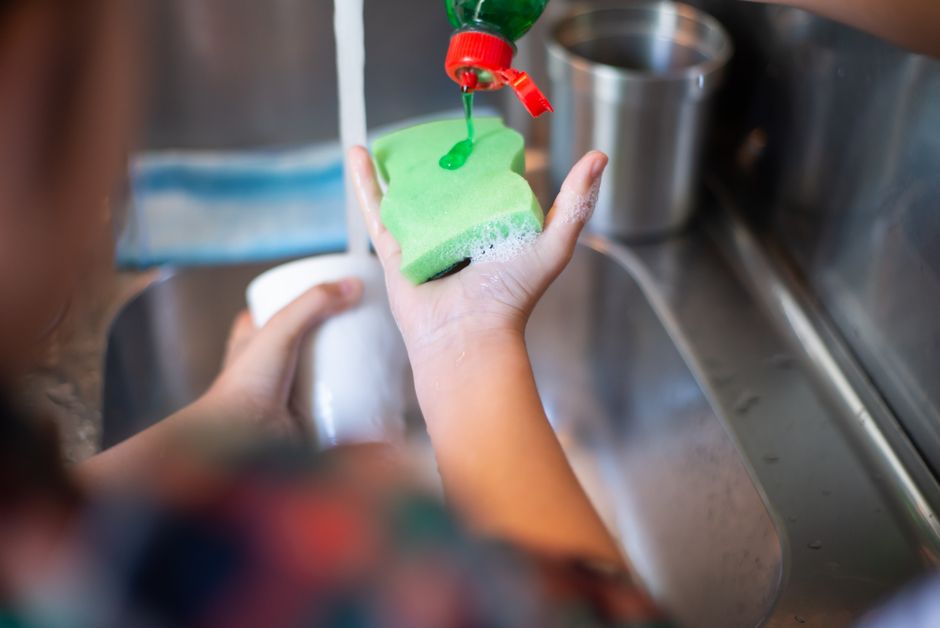
Step 1: Start at the Top — Ceiling Vents and Light Fixtures
Always work top to bottom when deep cleaning. Anything you dislodge from above will fall onto surfaces below, which you'll clean later.
Ceiling Exhaust Vents
Bathroom-style exhaust vents in kitchens trap grease and dust in a layer that restricts airflow and can become a fire risk over time. Remove the vent cover by gently pulling or unscrewing it. Soak it in hot, soapy water for 10 minutes, then scrub with a stiff brush and rinse. Use a vacuum crevice tool to remove dust from inside the duct opening before replacing the cover.
Light Fixtures and Pendant Lights
Remove globe-style covers and wash them in warm soapy water. For recessed lights, use a damp microfiber cloth to wipe around the trim rings where grease accumulates from stovetop cooking below. Dry thoroughly before replacing covers — moisture near electrical fixtures is a safety concern.
Cabinet Tops
This is one of the most neglected spots in any kitchen. Lay down a layer of paper or a washable liner on top of your cabinets — it makes the next deep clean much easier. For now, wipe down with a degreaser spray and a microfiber cloth. The greasy film up here can be surprisingly thick in active kitchens.
Step 2: Walls and Backsplash
Kitchen walls absorb more grease and cooking residue than most people realize, especially in the 18 inches directly surrounding the stove.
Painted Walls
Use a diluted all-purpose cleaner (or a 1:10 vinegar-to-water solution) on a soft cloth. Work in small sections and dry as you go to prevent streaking. Test in an inconspicuous spot first, especially with flat-finish paint which can be damaged by too much moisture.
Tile Backsplash
Spray with a degreaser and let sit for 3 minutes. Scrub grout lines with a stiff detail brush — this is where discoloration concentrates. For stubborn grout staining, apply a paste of baking soda and hydrogen peroxide, let it sit for 15 minutes, scrub, and rinse. Finish by wiping the tile faces with a damp microfiber cloth.
Behind the Stove and Refrigerator
Pull these appliances away from the wall at least once a year during a deep clean. The walls behind them accumulate significant grease and dust. Wipe down with degreaser, and vacuum or brush out the gap between the appliance and the wall.
Step 3: Appliances — Inside and Out
Oven
The oven is often the last thing people clean and the first thing that needs it. For a chemical-free approach: coat the interior with a thick paste of baking soda and water, avoiding heating elements. Leave overnight. The next day, wipe out the paste with a damp cloth, spraying stubborn spots with white vinegar to loosen them further.
For the oven racks, soak them in a bathtub filled with hot water and a half cup of dish soap for 30–60 minutes. Scrub with a stiff brush, rinse, and dry completely before replacing.
Range Hood and Filter
The range hood filter is the grease trap for your entire kitchen ventilation system. Remove it monthly if you cook frequently; quarterly at minimum. Soak in a sink full of very hot water mixed with a generous squirt of dish soap and a few tablespoons of baking soda. Let sit for 20 minutes, then scrub with a utility brush. The grease will loosen and rinse away. Let dry fully before replacing.
Wipe the exterior and interior of the hood with a degreaser.
Refrigerator
Empty it completely for a proper deep clean — including all drawers and shelves. Wash removable components in warm soapy water. Wipe the interior walls and ceiling with a solution of baking soda and water (2 tablespoons per quart). This cleans and deodorizes at the same time. Check and clean the rubber door gaskets with a small brush or old toothbrush — they trap crumbs and moisture.
Pull the fridge out and vacuum the coils on the back or bottom. Dusty coils reduce efficiency and increase energy costs.
Dishwasher
Remove and clean the filter (found at the bottom of the tub) — rinse it under running water and scrub with a soft brush. Place a cup of white vinegar on the top rack and run a hot cycle. Follow with a sprinkle of baking soda on the floor of the tub and another short hot cycle. Wipe the door gasket and the edges of the door where grime collects.
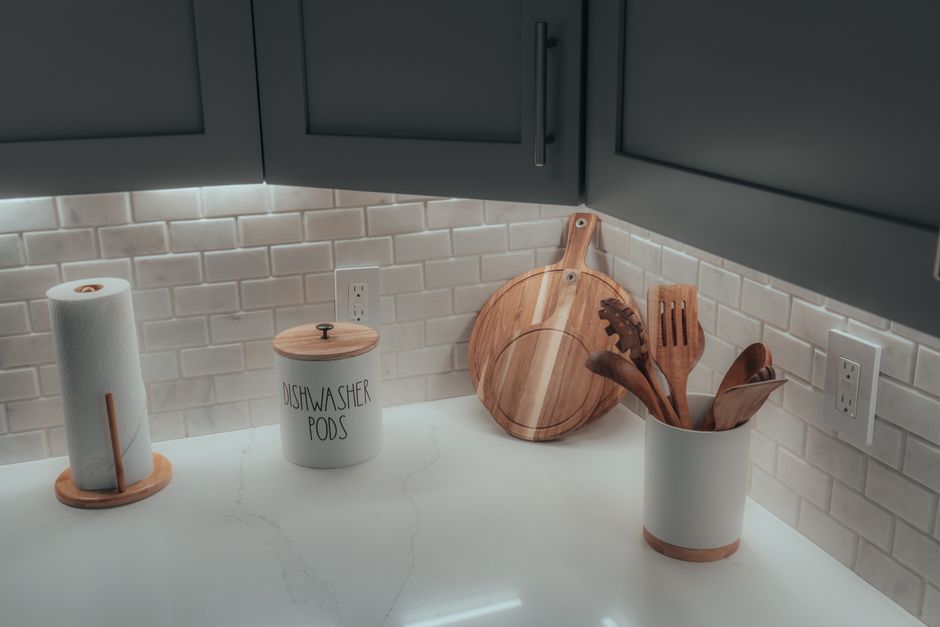
Step 4: Cabinets, Drawers, and Pantry
Cabinet Exteriors
A degreaser spray and microfiber cloth handles the exterior surfaces. Pay extra attention to the areas around cabinet handles and knobs where hands touch repeatedly — these spots harbor more bacteria than anywhere else in the kitchen.
Cabinet Interiors and Drawers
Empty everything out. Wipe the interior surfaces with a damp cloth and allow to dry before replacing contents. This is a good opportunity to check for expired items and reorganize.
Sink and Faucet
For stainless steel sinks, scrub with baking soda and a soft cloth using circular motions to follow the grain. Rinse and buff dry. For faucet fixtures, wrap a paper towel soaked in white vinegar around mineral-crusted aerators and let sit for 30 minutes — deposits dissolve easily. Clean the drain with a baking soda and vinegar flush.
Step 5: Floors — The Final Step
Grout Lines
Kitchen tile floors take a beating. Grout discolors from dropped food, cleaning product residue, and foot traffic. Apply a baking soda paste to grout lines, let sit for 10 minutes, and scrub with a stiff brush. For severe discoloration, a diluted hydrogen peroxide solution (1 part peroxide to 2 parts water) works well — test in a hidden spot first.
Floor Edges and Corners
Use a crevice-style detail brush or an old toothbrush to clean where the floor meets baseboards and appliances. These spots rarely get touched during regular mopping and accumulate significant debris.
Mopping
Finish with a thorough mop using a cleaning solution appropriate for your floor type. For tile, a diluted all-purpose cleaner works well. For hardwood or laminate, use a dedicated floor cleaner and ensure the mop is well-wrung — excess moisture damages wood floors.
Keeping It Clean Between Deep Cleans
A deep clean like this is far less daunting when your kitchen gets consistent daily and weekly maintenance. Apply these kitchen cleaning tips after every deep session: wipe stovetop after each use, clean the sink nightly, and do a five-minute cabinet-front wipe-down weekly. The frequency of your deep cleans drops significantly when maintenance habits are solid.
A deep-cleaned kitchen isn't just more pleasant to cook in — it's more hygienic and better maintained over the long term. For the tools that make this whole process easier, from heavy-duty degreasers to detail brushes and quality microfiber cloths, explore our kitchen cleaning collection and find everything you need in one place.