

Best Vacuum Cleaners of 2026: Types, Features, and How to Choose
A vacuum is the single most consequential cleaning tool in most homes. The right vacuum cleans thoroughly in a reasonable time; the wrong one makes cleaning feel like manual labor and leaves dirt behind anyway. With the 2026 market offering cordless stick vacs rivaling plug-in uprights, robot vacuums that actually work, and hybrid models that try to do everything, choosing well has gotten more complicated — not easier.
This guide cuts through the marketing and identifies what to prioritize for different homes, floor types, and lifestyles.
The Main Vacuum Categories in 2026
Cordless Stick Vacuums
The dominant category in 2026. Best cordless sticks now match or exceed corded upright performance for most home tasks while being dramatically easier to use.
Strengths:- No cord to manage, trip over, or unplug and reposition
- Lightweight — usable for quick touch-ups without hesitation
- Typically convert to handheld for stairs, upholstery, and car use
- Wall-mount charging keeps them visible and accessible
- Runtime typically 40–60 minutes on standard modes; much less on max power
- Smaller dust bins require more frequent emptying
- Battery replacement cost eventually becomes a factor
Corded Upright Vacuums
The traditional workhorse. Still the best choice for deep cleaning carpeted homes.
Strengths:- Unlimited runtime
- More powerful motors than most cordless options
- Larger dust bins and typically easier carpet deep-cleaning
- Generally lower cost per year of use
- Cord management is genuinely tedious
- Heavier and less maneuverable
- Less convenient for quick spot-cleaning
Canister Vacuums
Common in European markets, less so in the US. Excellent for hard floors and stairs.
Strengths:- Very maneuverable — canister follows you
- Lightweight hose and wand
- Excellent hard floor performance
- Typically quieter than uprights
- Canister tipping on thick carpet
- Storage footprint is larger
- Less common accessory ecosystem in US market
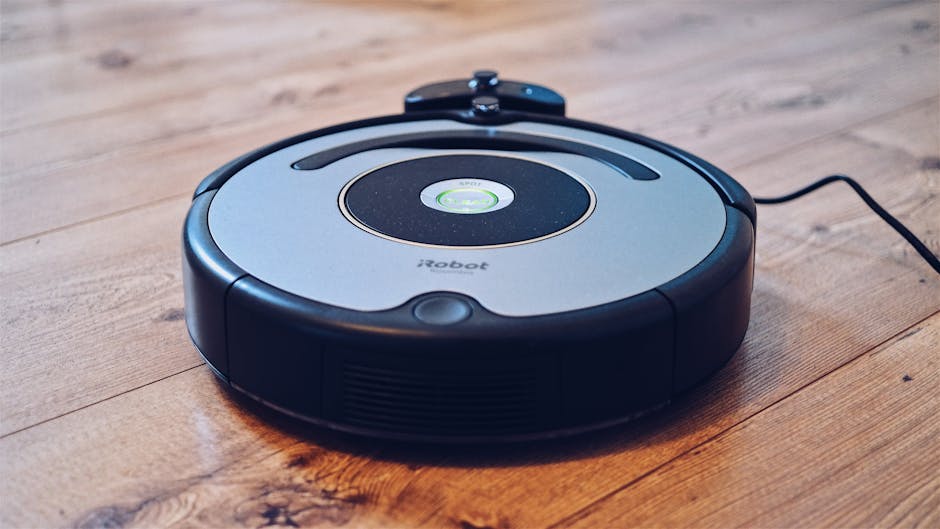
Robot Vacuums
Dramatically better in 2026 than even three years ago. No longer a gimmick for most homes.
Strengths:- Runs while you're away or asleep
- Consistent baseline cleanliness with no effort
- Best 2026 models map homes, avoid obstacles, and empty themselves
- Most now combine vacuum and mop functions
- Not as thorough as a good manual vacuum
- Struggles with deep pile carpet
- Requires tidy floors (cords, toys, etc.) to operate well
- Top models are expensive
Handheld Vacuums
Purpose-specific tools rather than primary vacuums.
Best for: Cars, furniture crumbs, pet hair on upholstery, quick spot-cleaning. Not a replacement for a primary vacuum.
Features That Actually Matter
Beyond the category, specific features genuinely affect cleaning performance and user experience.
Suction Power (AW or Pa)
Watts of suction or Pascals (Pa) indicates raw power. More is generally better, but returns diminish above certain thresholds.
- Stick/cordless: 100+ AW or 20,000+ Pa is strong performance
- Upright: 200+ AW is typical for quality models
- Robot: 3,000+ Pa is where robots start genuinely cleaning vs. just moving debris
Filtration
HEPA filtration captures particles down to 0.3 microns — allergens, dust mite waste, fine dust. For anyone with allergies, asthma, or pets, HEPA is worth the price difference.
Look for sealed HEPA systems where all air exits through the filter, not just most of it.
Brush Roll Type
- Standard bristle rolls work for most homes
- Soft roller heads are excellent for hard floors and fine particles
- Anti-tangle brush rolls matter significantly in households with long hair or pets
- Dual brush roll systems (one for each floor type) are effective on multi-surface homes
Runtime and Power Modes
For cordless: 40+ minutes on normal mode handles most home cleaning sessions. Max mode runtime is usually much shorter — use it selectively on problem areas.
Swappable batteries essentially eliminate runtime concerns in large homes.
Weight
A cordless stick under 3 kg feels dramatically different from one over 4 kg after 10 minutes of overhead cleaning. If you have any shoulder or back issues, weight should be a top criterion.
Emptying Mechanism
Bagged vacuums keep dust contained better and are preferred for allergy sufferers. Bagless is more convenient and has no ongoing bag costs but exposes you to dust during emptying. Choose what matches your priority.
Accessories
Crevice tool, upholstery brush, dusting brush, extension wand, and pet hair tool cover 95% of accessory needs. Avoid paying for accessories you won't realistically use.
Choosing for Your Floor Mix
Mostly hard floors: Soft roller head is transformative. Cordless sticks with soft roller attachments excel here. Robot vacuums also perform best on hard floors. Mostly carpet: Prioritize powerful motorized brush rolls. Uprights generally outperform cordless sticks on deep pile, though top-tier cordless closes the gap. Mixed floors: Dual brush heads, adjustable suction, and automatic surface detection are worth the premium. Brands that automatically adjust power to floor type reduce user workload. Thick area rugs over hard floors: Robot vacuums often struggle with transitions; consider a stick vacuum with strong brush roll as primary.Pet Homes Specifically
Pets change the vacuum calculus significantly.
Anti-tangle brush roll: Not optional. Long hair wraps quickly on standard brush rolls. Strong filtration: Pet dander is fine and allergenic. HEPA matters more. Larger dust bin: Pet hair fills bins fast. Pet-specific attachments: Motorized pet tools remove hair from upholstery and stairs effectively. Pet-specific robot vacuum features: Obstacle recognition for pet waste (a real feature in 2026 top models) prevents disasters.Budget Tiers and What You Get
Entry-level ($100–$200): Basic cordless sticks, simple upright vacuums, basic robot vacuums. Can be good for light-use single-floor homes; often disappointing for serious cleaning. Mid-range ($250–$500): Sweet spot for most households. Quality cordless sticks with strong suction and good runtime, reliable uprights, capable mid-tier robots. Premium ($500–$900): Top cordless sticks, multi-surface flagships, self-emptying robots with mapping. Justifiable for larger homes, pet households, or those who clean frequently. Luxury ($1,000+): Premium robots with self-emptying, self-washing mop docks, multi-level mapping, and AI obstacle detection. Convenience features, not cleaning breakthroughs.2026 Features Worth Paying For
- Automatic dust bin emptying (robot vacuums) — genuinely reduces maintenance to near zero
- LED headlights (stick vacuums) — reveals dust in shadows, dramatically improves perceived clean
- Laser dust detection — shows particles you can't see, directs your cleaning effort
- Auto-adjust suction by floor type — removes one more thing to think about
2026 Features Overhyped
- Wi-Fi and app control on non-robot vacuums — a vacuum doesn't need to be smart
- Built-in vacuum "AI" on manual vacuums — marketing, mostly
- Ultra-high suction numbers above diminishing-return thresholds — diminishing returns
- Cordless vacuums claiming 90+ minute runtimes — typically at lowest power, which is too weak for most cleaning
Shopping Tips for 2026
- Buy during seasonal sales — Memorial Day, Prime Day, and Black Friday consistently offer the best vacuum deals
- Check replacement battery availability and cost for cordless vacuums — this is your future upgrade cost
- Read 3-star reviews, not 5-star ones — 5-star reviews tell you the marketing works; 3-star reviews tell you where the product breaks
- Check warranty terms carefully — 2-year warranties are standard; 5-year motor warranties signal manufacturer confidence
- Consider refurbished from manufacturer direct — significant savings with manufacturer warranty
Final Recommendations
For most homes in 2026, the best starting point is a quality cordless stick vacuum in the $300–$500 range. It covers 90% of cleaning needs, gets used frequently because of its convenience, and lasts years with proper care.
Add a robot vacuum for maintenance between deep cleans if your budget and floor plan suit it. Keep an old corded upright or canister for occasional deep carpet work.
The worst vacuum is the one you don't use. Choose something convenient enough that you pick it up willingly, powerful enough that it actually cleans, and reliable enough to last. Match those three criteria and the specific brand matters less than it seems.