

Best Microfiber Cloths for Kitchen Cleaning: A Complete Buying Guide
Quick Summary: Learn everything you need to know about home cleaning. This guide covers the most effective methods, top tips, and practical steps you can use right away.
If you have ever wiped down your kitchen counter only to find streaks and lint left behind, you already know that not all cleaning cloths are created equal. Microfiber cloths have become a kitchen cleaning essential, but with so many types available, choosing the right one can feel overwhelming.
In this guide, we break down the different types of microfiber cloths, explain how weave patterns affect performance, and help you pick the perfect cloth for every kitchen cleaning task.
Why Microfiber Cloths Outperform Traditional Rags
Microfiber is made from ultra-fine synthetic fibers, typically a blend of polyester and polyamide. These fibers are split during manufacturing to create microscopic hooks that grab and trap dirt, grease, and bacteria far more effectively than cotton or paper towels.
Key Advantages for Kitchen Use
- Superior grease removal without chemical cleaners
- Lint-free wiping on glass and stainless steel surfaces
- Reusable hundreds of times, reducing waste and cost
- Quick drying, which discourages bacterial growth between uses
Understanding Microfiber Weave Patterns
The weave pattern determines how a microfiber cloth performs. Here are the most common types you will encounter when shopping.
Waffle Weave
Waffle weave microfiber features a textured, grid-like pattern that increases surface area. This makes it exceptionally absorbent and ideal for drying dishes, soaking up spills, and wiping down wet countertops. The raised texture also provides gentle scrubbing power without scratching surfaces.
Best for: Drying dishes, absorbing spills, wiping wet countersTerry Weave
Terry weave cloths have small loops on the surface, similar to a traditional towel but much finer. These are the most versatile kitchen microfiber cloths, offering a solid balance of absorbency and cleaning power.
Best for: General countertop cleaning, appliance exteriors, everyday wipingSuede or Flat Weave
Flat weave microfiber has a smooth, suede-like texture with no raised loops. This makes it the top choice for streak-free cleaning on glass cooktops, stainless steel appliances, and windows.
Best for: Stainless steel, glass surfaces, polishing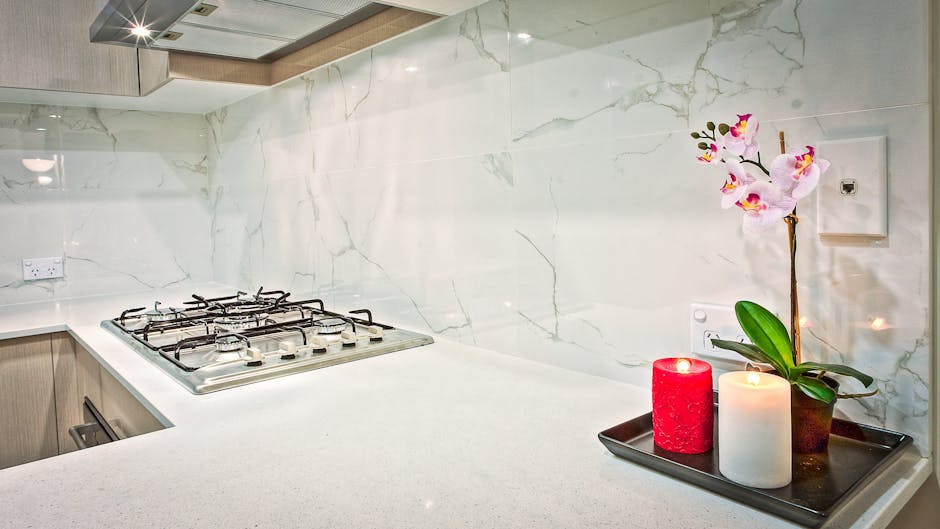
Diamond or Honeycomb Weave
This specialty weave features a raised geometric pattern that provides extra scrubbing ability. It works well on textured surfaces like tile backsplashes or stovetops with baked-on residue.
Best for: Scrubbing tile, removing dried food, stovetop cleaningWhat to Use Where: A Kitchen Microfiber Guide
Matching the right cloth to each surface makes a noticeable difference in your cleaning results.
Countertops and Tables
Use a terry weave cloth lightly dampened with water. For granite or marble, stick to a plain damp cloth without any acidic cleaners to protect the sealant.
Stainless Steel Appliances
A suede or flat weave cloth is your best friend here. Wipe in the direction of the grain, and you will get a fingerprint-free, streak-free finish every time.
Glass Cooktops
Start with a damp terry cloth to remove food debris, then follow up with a dry flat weave cloth for a polished finish. Avoid using diamond weave on glass surfaces to prevent micro-scratches.
Sink and Faucet
Terry or waffle weave cloths handle sinks well. For faucet fixtures, a flat weave cloth brings out the shine without leaving water spots.
Tile Backsplash and Grout
Diamond or honeycomb weave cloths provide the scrubbing texture needed to clean grout lines and textured tile surfaces effectively.
Key Features to Look for When Buying
Not all microfiber is the same quality. Here is what to check before purchasing.
GSM (Grams Per Square Meter)
GSM measures cloth density. For kitchen use, look for cloths between 300 and 400 GSM. Higher GSM means more fibers, better absorption, and longer durability. Budget cloths under 200 GSM wear out quickly and clean less effectively.
Fiber Split Ratio
Quality microfiber should have a split ratio of at least 80/20 (polyester/polyamide) or 70/30. A higher polyamide percentage means better absorption and a softer feel.
Edge Finishing
Look for cloths with sewn or ultrasonic-cut edges rather than simple cut edges. Proper edge finishing prevents fraying and extends the life of the cloth significantly.
Size
Standard kitchen microfiber cloths range from 12x12 inches to 16x16 inches. Larger cloths cover more surface area but can be harder to wring out. Consider having a variety of sizes for different tasks.
How to Care for Your Microfiber Cloths
Proper care keeps your microfiber cloths performing at their best for hundreds of washes.
- Wash separately from cotton and other fabrics to avoid lint transfer
- Use warm water, not hot, to preserve fiber integrity
- Skip the fabric softener, which clogs microfiber pores and reduces effectiveness
- Air dry or tumble dry on low heat
- Replace cloths when they no longer absorb water quickly or feel slick
Building Your Kitchen Microfiber Kit
For a fully equipped kitchen, we recommend having at least four to six cloths covering these roles:
- 2 terry weave cloths for daily countertop and general cleaning
- 1 waffle weave cloth for dish drying and spill absorption
- 1 flat weave cloth for stainless steel and glass polishing
- 1 diamond weave cloth for scrubbing stovetops and tile
Color-coding your cloths by task helps prevent cross-contamination and keeps your cleaning routine organized.
Ready to Upgrade Your Kitchen Cleaning Routine?
The right microfiber cloths can transform your kitchen cleaning from a frustrating chore into a quick, satisfying task. Browse our collection of premium kitchen microfiber cloths to find the perfect set for your home.
Related Reading
🛒 Ready to shop? Browse our Microfiber Cloths — curated products to make your cleaning routine easier and more effective.